
Sustainable Farming with Advanced Agricultural Equipment
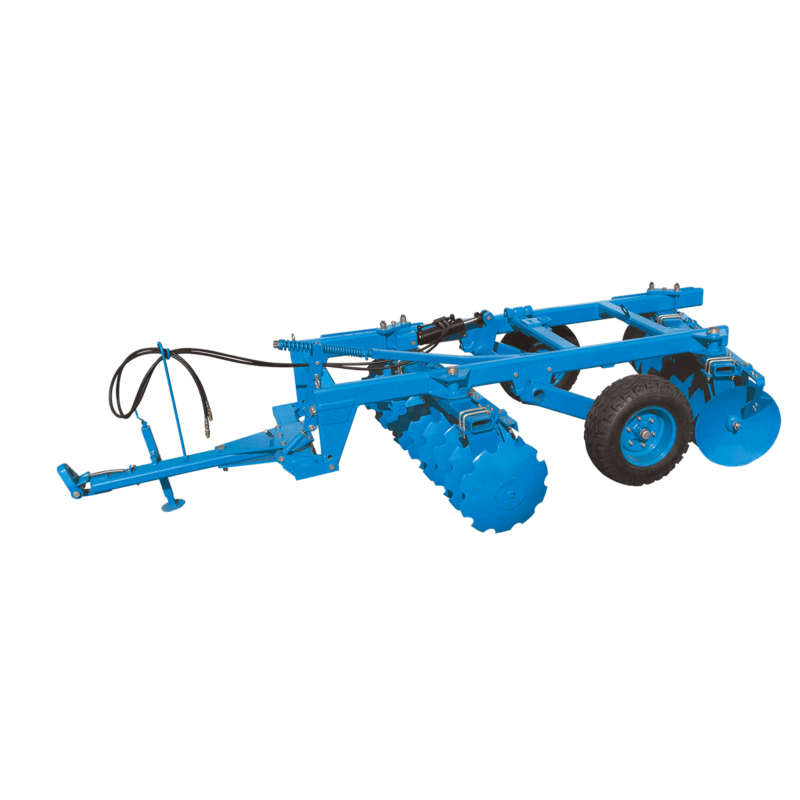
Sustainable farming has become a critical focus in modern agriculture, driven by the global need to preserve natural resources while meeting the food demands of a growing population. At the forefront of this movement is the integration of advanced agricultural equipment—tools and technologies that not only boost productivity but also minimize environmental impact. Land Preparation Cultivator.
One of the primary goals of sustainable farming is to reduce the depletion of resources such as soil, water, and energy. Advanced machinery, such as precision seeders, GPS-guided tractors, and drone technology, plays a pivotal role in achieving this goal. These innovations enable farmers to monitor and manage their crops with pinpoint accuracy, ensuring that inputs like water, fertilizer, and pesticides are used only where and when they are needed. This targeted approach helps to prevent overuse, reduce waste, and protect surrounding ecosystems from runoff and pollution.
Precision agriculture is perhaps the most transformative application of modern equipment in sustainable farming. Using satellite imagery, sensors, and data analytics, farmers can gain real-time insights into soil conditions, crop health, and weather patterns. Tractors and combines equipped with GPS systems can then apply these insights to optimize field operations, from planting to harvesting. This not only increases crop yields but also improves efficiency, reducing the carbon footprint of agricultural practices.
Another key innovation is the development of autonomous machinery. Self-driving tractors and robotic harvesters are becoming more common on large farms. These machines operate with high accuracy and consistency, reducing the need for repetitive manual labor while maximizing output. More importantly, they can be programmed to operate at off-peak hours, lowering fuel consumption and emissions.
Water conservation is also a vital aspect of sustainable farming, especially in regions facing drought or water scarcity. Advanced irrigation systems, such as drip and center pivot technologies equipped with smart sensors, help ensure water is delivered directly to plant roots in precise amounts. This minimizes evaporation and runoff, conserving water and maintaining soil health.
Furthermore, agricultural drones offer farmers a bird’s-eye view of their fields, allowing them to detect issues such as pest infestations, nutrient deficiencies, or irrigation problems before they become widespread. By identifying problems early, farmers can take targeted actions, reducing the need for broad-spectrum chemicals and supporting healthier, more resilient crops.
The integration of artificial intelligence (AI) and machine learning is also enhancing the capabilities of agricultural equipment. These technologies can predict crop yields, optimize planting schedules, and even automate machinery based on environmental data. As a result, farms can operate more sustainably while remaining economically viable.
In conclusion, advanced agricultural equipment is revolutionizing sustainable farming. By improving efficiency, conserving resources, and reducing environmental impact, these technologies are helping farmers meet today’s challenges while safeguarding the future of agriculture. As the global population continues to rise, the adoption of smart farming tools will be essential to achieving long-term food security and environmental stewardship.