
Surah Al Kahaf summary for readers
Surah Al Kahaf is one of the most profound and enlightening chapters of the Quran. Known for its powerful lessons and divine guidance, Surah Al Kahaf provides wisdom for Muslims to navigate the challenges of life.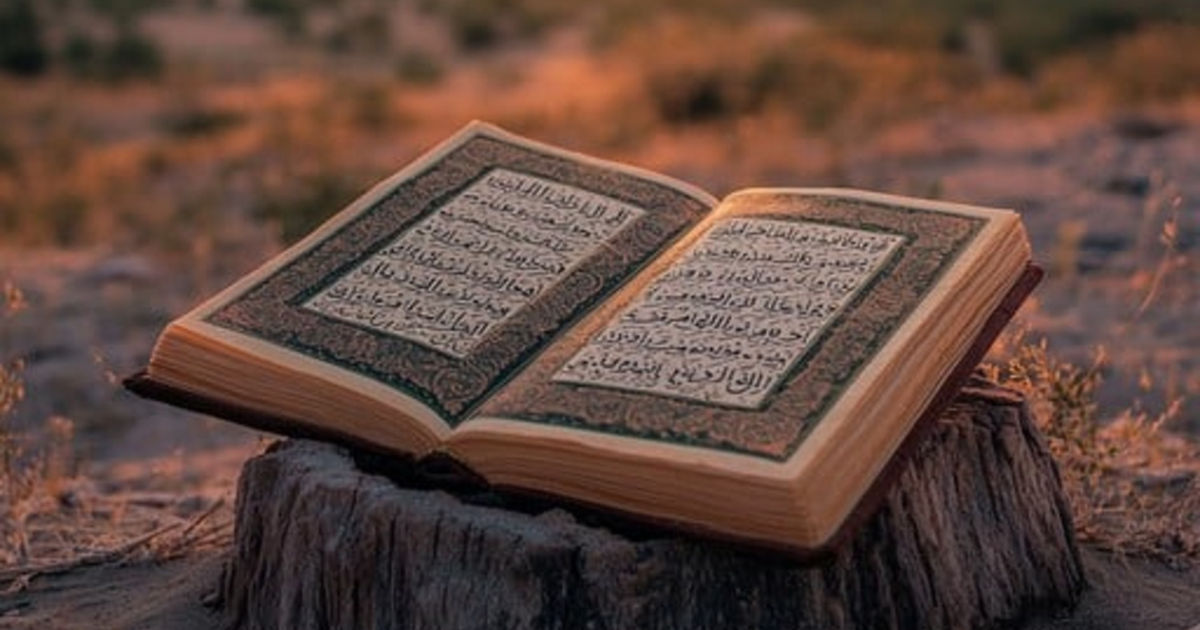
This blog post aims to give readers a detailed and comprehensive summary of Surah Al Kahaf, explaining its key stories, themes, and spiritual lessons.
Whether you are a student, a learner of the Quran, or someone seeking guidance, this summary will make it easy to understand and reflect upon the teachings of this remarkable Surah.
For anyone following a female Quran teacher, this guide can also be helpful for structured learning and reflection.
Introduction to Surah Al Kahaf
Surah Al Kahaf is the 18th chapter of the Quran and contains 110 verses. It was revealed in Makkah and is classified as a Makkan Surah. The Surah is widely respected for its guidance on faith, patience, and the trials of life. Its name, “Al Kahaf,” literally means “The Cave,” which refers to one of the significant stories within the Surah—the story of the People of the Cave.
Muslims are encouraged to recite Surah Al Kahaf, especially on Fridays, as it provides protection from trials and spiritual tests, including the trial of Dajjal (the Antichrist). The Surah’s teachings extend beyond religious practice and provide valuable life lessons for personal growth, morality, and resilience.
The Main Stories in Surah Al Kahaf
Surah Al Kahaf contains several important narratives, each of which offers moral and spiritual guidance. Understanding these stories is key to grasping the Surah’s overall message.
1. The Story of the People of the Cave
One of the most famous stories in Surah Al Kahaf is that of the People of the Cave, known as the Ashab al-Kahf. This story teaches lessons about faith, trust in Allah, and perseverance.
The story begins with a group of young believers who lived in a time when their people worshipped idols. They refused to abandon their faith in Allah, so they sought refuge in a cave to escape persecution. Allah caused them to sleep for many years, preserving their faith and protecting them from harm.
When they awoke, they discovered that the world around them had changed. Their story symbolizes the importance of steadfast faith and the power of divine protection. For readers, this story highlights that trusting in Allah during difficult times can lead to ultimate salvation.
2. The Story of the Owner of Two Gardens
Another significant story in Surah Al Kahaf is the tale of the man with two gardens. This story emphasizes the dangers of arrogance, materialism, and forgetting Allah’s blessings.
The wealthy man was proud of his gardens and became arrogant, thinking he was self-sufficient. In contrast, a poor man advised him to be grateful and humble before Allah. The wealthy man ignored this guidance, and eventually, his gardens were destroyed as a lesson about the impermanence of worldly possessions.
The key takeaway for readers is the importance of gratitude, humility, and remembering that wealth is a test, not a permanent reward.
3. The Story of Moses and Khidr
Surah Al Kahaf also narrates the story of Prophet Musa (Moses) and a mysterious figure, Khidr. This story teaches lessons about divine wisdom, patience, and understanding life beyond human perception.
Moses was given permission by Allah to learn from Khidr, who possessed knowledge of events and wisdom that Moses did not understand. Throughout their journey, Khidr performed actions that seemed strange or even wrong, but each action had a hidden purpose and lesson.
For readers, this story emphasizes that humans cannot always understand Allah’s plan. Patience, trust, and submission to divine wisdom are crucial for navigating life’s challenges.
4. The Story of Dhul-Qarnayn
Dhul-Qarnayn, a powerful and righteous ruler, is also mentioned in Surah Al Kahaf. His story focuses on leadership, justice, and responsibility.
Dhul-Qarnayn traveled across the earth, helping communities and defending the weak. He built a strong barrier to protect people from the destructive forces of Gog and Magog. This narrative teaches readers that leadership must be guided by justice, compassion, and faith in Allah.
Through Dhul-Qarnayn’s story, readers are reminded that power and authority are entrusted by Allah for serving humanity, not for selfish gain.
Major Themes of Surah Al Kahaf
Surah Al Kahaf is not only a collection of stories but also a guide to spiritual, moral, and social principles. Some of its major themes include:
1. Faith and Trust in Allah
All the stories in Surah Al Kahaf highlight the importance of unwavering faith. Whether it is the People of the Cave, the wealthy man, or Dhul-Qarnayn, faith in Allah’s guidance is central. The Surah encourages readers to put trust in Allah in all circumstances, even when challenges seem overwhelming.
2. Trials and Patience
Surah Al Kahaf emphasizes that life will present trials and tests. The Surah provides examples of how patience and perseverance can help believers overcome difficulties. Patience is not passive but an active form of trust and reliance on Allah.
3. Gratitude and Humility
Through the story of the man with two gardens, Surah Al Kahaf teaches the importance of gratitude and humility. Material success is temporary, and arrogance can lead to downfall. The Surah reminds readers to remain humble and grateful for Allah’s blessings.
4. Knowledge and Divine Wisdom
The story of Moses and Khidr illustrates that humans have limited knowledge. Divine wisdom is beyond human understanding, and trusting Allah’s plan is necessary even when we cannot comprehend it.
5. Justice and Leadership
The narrative of Dhul-Qarnayn shows that authority is a responsibility, not a privilege. Leaders must act with justice, compassion, and in accordance with divine guidance.
Lessons for Daily Life
Surah Al Kahaf is not just a historical or spiritual text; it has practical lessons for daily life. Here are some key takeaways for readers:
-
Seek Protection from Trials: Regular recitation of Surah Al Kahaf, especially on Fridays, is recommended to seek protection from life’s tests.
-
Practice Patience and Perseverance: When faced with difficulties, remember the examples of the People of the Cave and the story of Moses and Khidr. Patience leads to spiritual growth.
-
Remain Humble: Avoid arrogance, even when blessed with wealth, status, or knowledge. Gratitude keeps the heart pure.
-
Trust in Divine Wisdom: Accept that some events are beyond human understanding. Trusting Allah’s plan brings peace and clarity.
-
Serve Humanity Justly: Leadership and power come with the responsibility of protecting and serving others. Compassion is a reflection of true faith.
Importance of Surah Al Kahaf in Islamic Practice
Surah Al Kahaf is highly revered in Islam for its spiritual and protective qualities. The Prophet Muhammad (peace be upon him) encouraged Muslims to recite it every Friday. The Surah’s recitation brings light, guidance, and protection for the week ahead.
For students learning from a female Quran teacher, understanding Surah Al Kahaf helps in memorization, reflection, and connecting the lessons to real-life challenges. The Surah’s stories are easy to relate to, making it suitable for learners of all ages, including 12th-grade students.
Reflection and Spiritual Benefits
Reciting and reflecting on Surah Al Kahaf provides multiple spiritual benefits:
-
Protection from Dajjal’s trials: According to Hadith, reciting the first ten and last ten verses safeguards believers from deception.
-
Moral guidance: Each story in the Surah offers practical ethical lessons for daily conduct.
-
Mental clarity: Reflecting on divine wisdom fosters patience and a positive outlook during hardships.
-
Connection with Allah: Regular recitation strengthens one’s relationship with Allah, increasing faith and trust.
How to Study Surah Al Kahaf Effectively
To benefit fully from Surah Al Kahaf, consider these steps:
-
Read with Translation: Understand the meaning of each verse to internalize its lessons.
-
Reflect on Stories: Consider the moral and spiritual implications of each story.
-
Apply Lessons: Relate the Surah’s teachings to everyday life situations.
-
Memorize Gradually: For students, memorization along with understanding enhances retention.
-
Seek Guidance from a Teacher: Learning from a female Quran teacher can provide structured explanation, ensuring proper pronunciation, understanding, and reflection.
Conclusion
Surah Al Kahaf is a timeless chapter of the Quran, rich with wisdom, guidance, and spiritual lessons. Its stories—the People of the Cave, the wealthy man with two gardens, Moses and Khidr, and Dhul-Qarnayn—offer profound insights into faith, patience, humility, divine wisdom, and leadership.
For readers, Surah Al Kahaf is not just a religious text but a guide to navigating life’s challenges, remaining grateful, and trusting in Allah’s plan. Regular recitation and reflection strengthen faith, provide protection, and illuminate the path of righteousness.
Whether learning under the guidance of a female Quran teacher or studying independently, understanding Surah Al Kahaf equips believers with knowledge, inspiration, and moral clarity. By embracing the Surah’s teachings, one can lead a life rooted in faith, patience, and gratitude, ultimately drawing closer to Allah.
Surah Al Kahaf continues to inspire and guide millions of Muslims around the world, making it an essential chapter for study, reflection, and practice.