
Industrial Gas Monitoring Systems Built for Accuracy and Reliability: Advanced Safety Solutions for Modern Industries
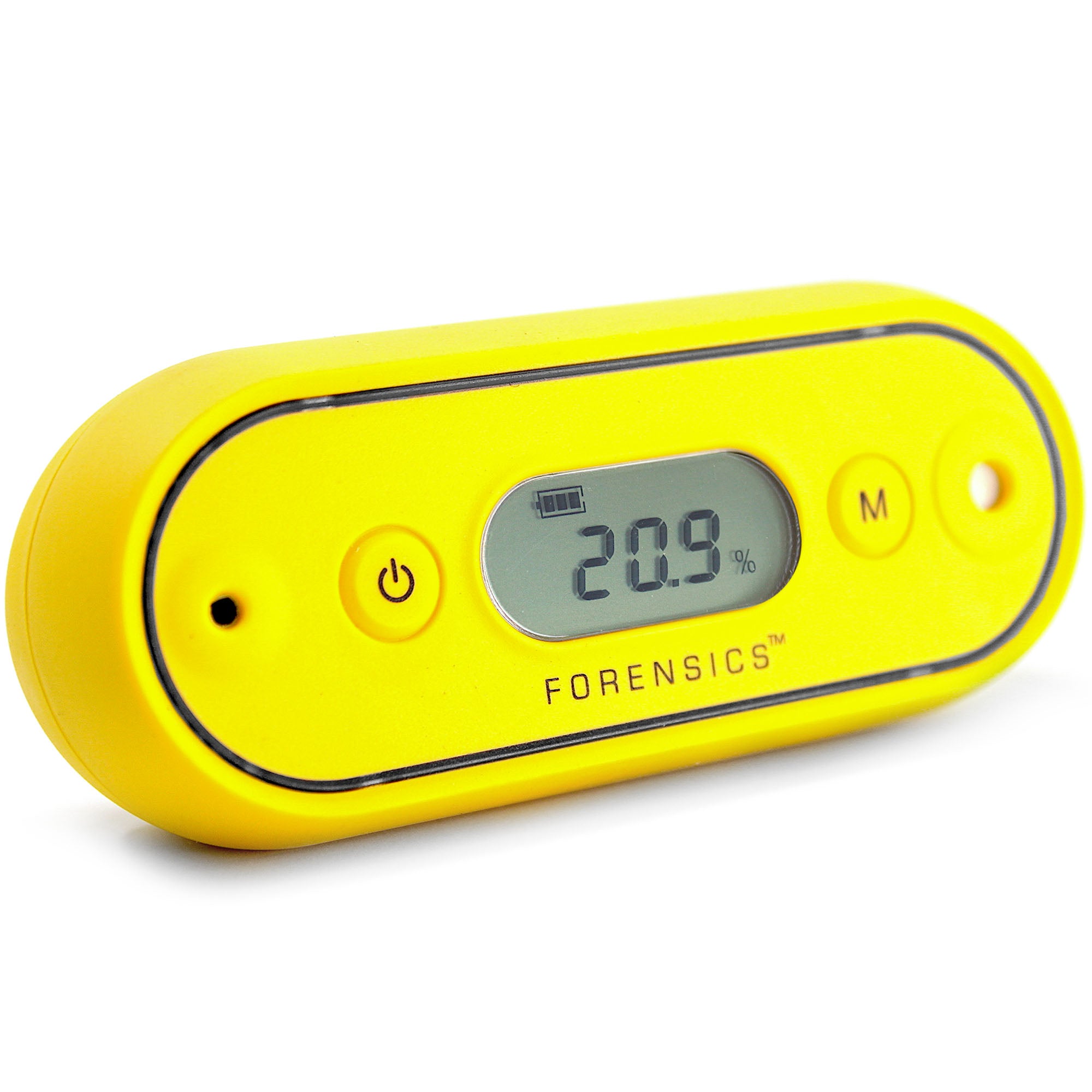
Introduction: The Critical Role of Gas Monitoring in Industry
Industrial environments today operate under strict safety and performance standards. Facilities such as oil refineries, chemical plants, mining operations, and manufacturing units frequently handle or produce hazardous gases. Even a minor gas leak can lead to serious consequences, including health hazards, fire risks, equipment damage, and regulatory violations.
To manage these risks effectively, industrial gas monitoring systems built for accuracy and reliability have become essential. These systems provide continuous, real-time monitoring of gas levels, ensuring early detection of dangerous conditions and enabling immediate response.
What Are Industrial Gas Monitoring Systems?
Industrial gas monitoring systems are advanced safety technologies designed to detect, measure, and analyze the concentration of gases in industrial environments. These systems use high-precision sensors and intelligent control units to ensure accurate readings and dependable performance.
Unlike basic detectors, modern gas monitoring systems are built for continuous operation, data accuracy, and integration with broader safety infrastructure.
Common gases monitored include:
- Carbon monoxide (CO)
- Hydrogen sulfide (H₂S)
- Methane (CH₄)
- Oxygen (O₂) levels
- Ammonia (NH₃)
- Volatile organic compounds (VOCs)
Why Accuracy and Reliability Are Essential
In industrial safety systems, accuracy and reliability are not optional—they are critical. Inaccurate readings can lead to false alarms or, worse, missed detections that put lives and assets at risk.
Key risks of unreliable systems include:
- Delayed detection of hazardous gas leaks
- False alarms causing operational disruptions
- Increased risk of workplace accidents
- Non-compliance with safety regulations
- Financial losses due to downtime or equipment damage
Reliable gas monitoring ensures that industries can trust their safety systems under all conditions.
How Industrial Gas Monitoring Systems Work
Modern gas monitoring systems use advanced technology to continuously track air quality and detect hazardous gases in real time.
Core components include:
- High-Sensitivity Sensors: Detect even trace amounts of gases
- Control Units: Process and analyze incoming data
- Alarm Systems: Trigger audible, visual, and digital alerts
- Communication Interfaces: Send alerts to control rooms or mobile devices
- Data Logging Systems: Store historical data for analysis and compliance
When gas levels exceed safe thresholds, the system immediately activates alarms, allowing rapid response and evacuation if necessary.
Key Features of Accurate and Reliable Gas Monitoring Systems
Modern industrial gas monitoring solutions are designed with advanced features to ensure performance in demanding environments.
Important features include:
- High-precision gas detection with minimal error margin
- Continuous 24/7 real-time monitoring
- Multi-gas detection capability in a single system
- Rugged design for harsh industrial environments
- Wireless connectivity and remote access
- Integration with fire and safety systems
- Long sensor life with low maintenance requirements
These features ensure consistent and dependable operation in critical applications.
Benefits of Reliable Gas Monitoring Systems
Industrial gas monitoring systems offer significant advantages for safety, efficiency, and compliance.
Major benefits include:
- Early detection of hazardous gas leaks
- Improved worker safety and health protection
- Reduced risk of explosions and fire incidents
- Enhanced operational efficiency and reduced downtime
- Compliance with international safety standards (OSHA, ISO, etc.)
- Better decision-making through real-time data insights
These benefits make gas monitoring systems a vital part of industrial safety infrastructure.
Industrial Applications of Gas Monitoring Systems
Gas monitoring systems are used across a wide range of industries where Gasmonitor exposure risks are present.
Common applications include:
- Oil and gas exploration and refining
- Chemical and petrochemical industries
- Mining and underground operations
- Power generation plants
- Manufacturing and industrial processing facilities
- Wastewater treatment plants
- Food and beverage production
Each industry relies on accurate gas monitoring to maintain safe and efficient operations.
Role in Safety Compliance and Risk Management
Regulatory bodies require industries to maintain strict safety standards when dealing with hazardous gases. Reliable gas monitoring systems help organizations meet these requirements efficiently.
Compliance advantages include:
- Automated safety reporting and documentation
- Real-time monitoring for audit readiness
- Reduced risk of regulatory penalties
- Improved emergency preparedness
- Enhanced workplace safety culture
These systems support both legal compliance and proactive risk management strategies.
Conclusion: Building Safer Industrial Environments with Reliable Technology
In today’s complex industrial landscape, safety depends heavily on accurate and reliable monitoring systems. Industrial gas monitoring systems built for accuracy and reliability provide the foundation for protecting workers, equipment, and the environment.
By delivering precise detection, continuous monitoring, and real-time alerts, these systems help industries prevent accidents and maintain operational stability. Investing in advanced gas monitoring technology is not just a safety measure—it is a long-term strategy for building safer, smarter, and more efficient industrial operations.