
Why Power Cable Testing Is Essential?
Power cables are the backbone of modern electrical systems, supplying energy to homes, industries, and commercial establishments. Whether it’s a small residential building or a massive industrial setup, the reliability of power cables plays a vital role in ensuring safety and uninterrupted power supply.
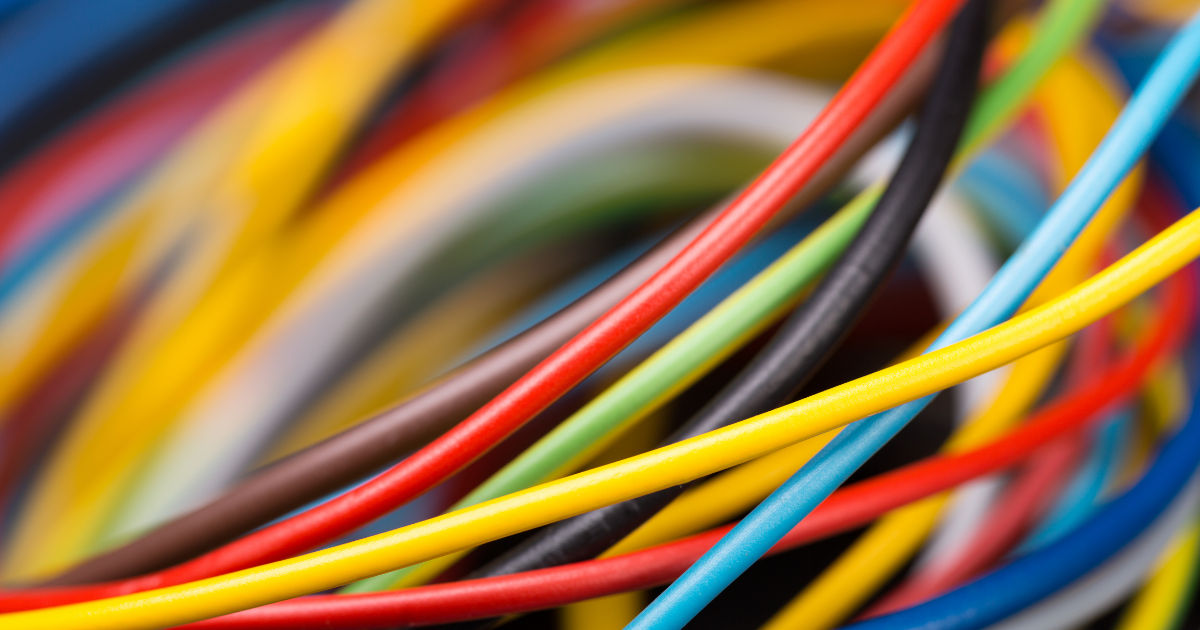 For anyone seeking quality cables, choosing a Fast Cables Supplier in Karachi can provide access to high-standard products that meet rigorous safety and performance requirements.
But simply purchasing quality cables is not enough. Regular and proper power cable testing is essential to prevent potential hazards, minimize downtime, and ensure longevity.
This guide will delve into why power cable testing is critical, the types of tests available, benefits, best practices, and how to choose the right supplier for your needs.
Understanding Power Cable Testing
Power cable testing is a set of procedures aimed at assessing the integrity, performance, and safety of electrical cables. Over time, cables can deteriorate due to environmental conditions, mechanical stress, overloading, or aging insulation. Testing identifies hidden faults before they become major problems.
The Importance of Quality Cables
Starting with a trusted Fast Cables Supplier in Karachi ensures that the cable materials are up to standard. High-quality cables have better insulation, higher current-carrying capacity, and improved durability. However, even top-quality cables can develop faults if exposed to harsh conditions or improper installation. Testing complements quality products by providing real-time assurance of cable health.
Common Causes of Power Cable Failures
Understanding the reasons behind cable failure helps emphasize the importance of testing. Here are common causes:
Insulation Degradation
Insulation is a cable’s primary protective layer. Over time, exposure to heat, moisture, chemicals, or UV radiation can deteriorate insulation, leading to short circuits or leakage currents.
Mechanical Damage
Cables may experience cuts, abrasions, or compression during installation or operation. Even minor mechanical damage can compromise safety.
Overloading
Exceeding a cable’s current capacity generates excess heat, potentially melting insulation and causing failures.
Environmental Factors
Cables laid underground, underwater, or outdoors face extreme conditions, including moisture, temperature fluctuations, and soil chemicals. These factors accelerate wear.
Manufacturing Defects
Even high-quality suppliers can occasionally produce cables with internal defects. Testing ensures such defects are caught early.
Types of Power Cable Testing
Power cable testing involves several methods to detect faults and measure performance. Each type serves a unique purpose:
1. Insulation Resistance Testing
This test measures the resistance of cable insulation using a megohmmeter. High resistance indicates good insulation, while low resistance signals deterioration. Regular insulation resistance testing helps prevent leakage currents and electrical shocks.
2. Continuity Testing
Continuity testing ensures that electrical current can flow through the entire length of the cable without interruption. This simple test detects open circuits or broken conductors.
3. High-Potential (Hi-Pot) Testing
Hi-Pot testing involves applying a higher-than-normal voltage to the cable to check its insulation strength. It simulates extreme operating conditions and ensures that the cable can withstand voltage surges.
4. Partial Discharge Testing
Partial discharge (PD) testing detects small electrical discharges within the insulation. These discharges are early indicators of insulation defects and can prevent major failures.
5. Time-Domain Reflectometry (TDR)
TDR sends a signal through the cable and measures reflections caused by impedance changes. It identifies exact fault locations, such as breaks or short circuits, even in long cables.
6. Thermal Imaging
Overheating in cables is a common issue that can lead to fire hazards. Thermal imaging detects hot spots in live systems, helping maintenance teams act before a catastrophic failure occurs.
Benefits of Regular Power Cable Testing
Regular testing offers multiple advantages, including safety, cost savings, and operational reliability.
1. Ensures Safety
Electrical failures can result in fires, electrical shocks, or equipment damage. Testing ensures cables operate safely, protecting lives and property.
2. Reduces Downtime
Faulty cables in industrial or commercial setups can halt operations, leading to financial losses. Early detection through testing prevents unplanned outages.
3. Extends Cable Lifespan
Testing helps identify minor issues before they escalate, prolonging the life of cables and reducing replacement costs.
4. Cost Efficiency
Replacing a damaged cable in time is far cheaper than dealing with accidents, equipment damage, or emergency repairs. Testing is a proactive investment in cost management.
5. Regulatory Compliance
Many regions mandate periodic electrical inspections. Regular testing ensures compliance with safety standards and avoids penalties.
Choosing the Right Power Cable Supplier
While testing is essential, the quality of the cable itself matters. A reliable Fast Cables Supplier in Karachi can provide products that are durable, safe, and efficient. Here’s what to consider when selecting a supplier:
1. Quality Certifications
Ensure the supplier provides cables that meet national and international standards, such as ISO, IEC, or BS certifications.
2. Product Range
A supplier with a diverse range of cables (low, medium, and high voltage) allows you to source everything from a single vendor, ensuring compatibility and consistency.
3. Technical Support
Suppliers offering technical guidance on installation, maintenance, and testing add significant value.
4. After-Sales Service
Reliable suppliers provide warranties, prompt support, and assistance in case of defects or operational issues.
Best Practices for Power Cable Testing
Proper testing requires adherence to best practices. These steps ensure accurate results and maximum safety.
Plan Testing Regularly
Schedule periodic testing based on cable type, usage, and environmental conditions. High-risk areas should be tested more frequently.
Use Qualified Personnel
Only trained and certified electricians should conduct testing. Incorrect handling of high-voltage tests can be dangerous.
Document Results
Keep detailed records of all tests, including resistance readings, fault locations, and corrective actions. Documentation helps track trends and anticipate failures.
Follow Manufacturer Guidelines
Different cables have unique characteristics. Always follow the manufacturer’s recommendations for voltage ratings, testing methods, and maintenance.
Combine Testing Methods
Relying on a single testing method may miss hidden defects. Using a combination—such as insulation resistance, TDR, and thermal imaging—provides a comprehensive assessment.
Real-World Applications
Power cable testing is vital across multiple sectors:
Residential Buildings
Faulty wiring can cause fires or appliance damage. Testing ensures safe power distribution throughout homes.
Industrial Facilities
Industries rely on heavy machinery and uninterrupted power supply. Cable failure can halt production and cause financial losses.
Commercial Complexes
Malls, offices, and hospitals require reliable power for lighting, HVAC systems, and critical equipment. Testing prevents disruptions.
Renewable Energy Projects
Solar and wind energy installations use specialized cables exposed to harsh conditions. Testing ensures efficient energy transmission and system longevity.
Advanced Testing Technologies
Modern technology has revolutionized power cable testing. Some notable advancements include:
Automated Testing Equipment
Automated systems reduce human error, improve efficiency, and allow simultaneous testing of multiple cables.
Smart Sensors
Embedded sensors continuously monitor cable conditions in real-time, alerting operators to potential problems before failures occur.
Predictive Maintenance Tools
Data analytics and predictive models use historical testing data to forecast cable performance and recommend maintenance proactively.
Safety Considerations During Testing
While testing improves safety, it must be performed carefully:
-
Always de-energize circuits before high-voltage or insulation tests.
-
Use personal protective equipment (PPE) like gloves, goggles, and insulated tools.
-
Ensure testing equipment is calibrated and in proper working condition.
-
Avoid testing in wet conditions or unstable environments.
Conclusion
Power cable testing is not just a technical procedure—it is a critical aspect of electrical safety, reliability, and efficiency. Investing in regular testing protects lives, prevents downtime, reduces costs, and ensures compliance with safety standards. Coupled with high-quality products from a trusted Fast Cables Supplier in Karachi, testing guarantees optimal performance of your electrical systems.
From insulation resistance tests to advanced partial discharge and thermal imaging, modern testing methods detect hidden faults and prevent unexpected failures. For homeowners, businesses, and industries alike, power cable testing is an essential practice that cannot be overlooked.
Remember, the goal is not just to maintain electrical supply but to do so safely and efficiently. Partnering with a reliable supplier and implementing a rigorous testing schedule ensures that your cables remain in excellent condition for years to come. Safety, cost efficiency, and operational reliability all start with proper testing.