
Why Blue Silica Gel Is Used in Packaging?
Blue Silica Gel is one of the most commonly used moisture-control materials found inside packaging across many industries.
If you have ever opened a box of shoes, electronics, medicine, or food supplements, you have likely seen small packets labeled “Do Not Eat.” These packets usually contain Blue Silica Gel, a powerful drying agent designed to protect products from moisture damage.
Moisture may seem harmless, but even small amounts of humidity can ruin sensitive goods during storage or transport. This is why Blue Silica Gel plays such a critical role in modern packaging systems. In this comprehensive guide, you will learn what Blue Silica Gel is, how it works, why it is preferred over other drying agents, and why industries continue to rely on it for product safety and quality.
What Is Blue Silica Gel?
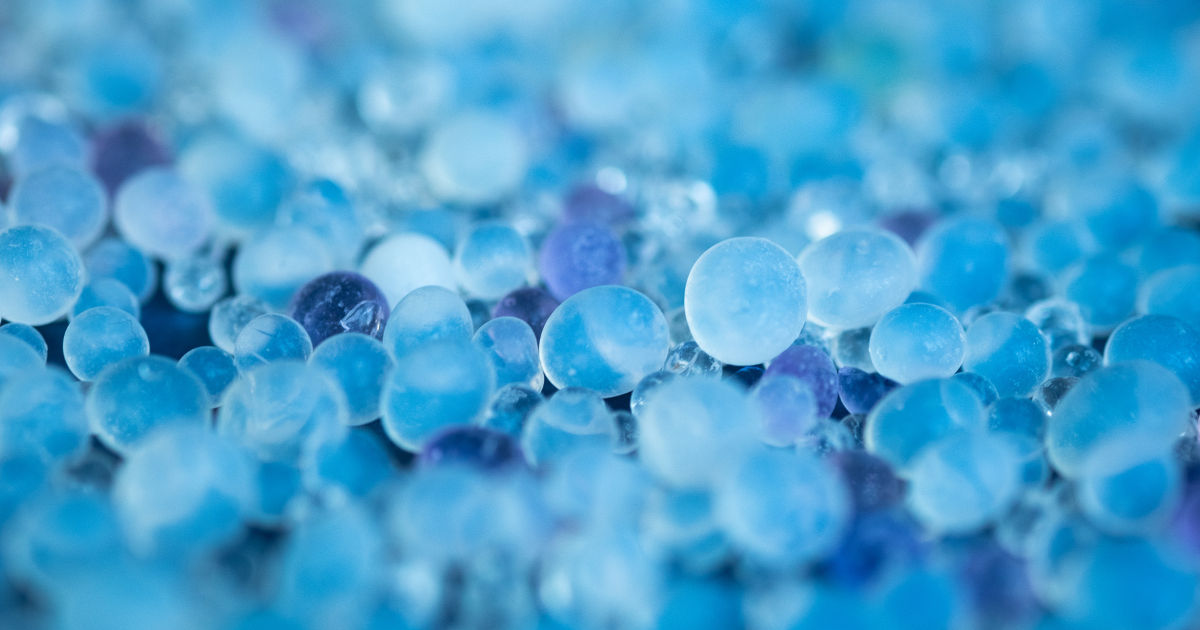
Blue Silica Gel is a form of silicon dioxide that has been processed into small beads or granules. These beads are highly porous, meaning they have millions of tiny holes that trap moisture from the air. The blue color comes from an indicator chemical added to the gel, which changes color when it absorbs moisture.
Unlike ordinary drying materials, Blue Silica Gel does not dissolve or melt when it absorbs water. Instead, it physically traps water molecules on its surface. This makes Blue Silica Gel highly effective, reusable, and reliable for long-term moisture control.
Another reason Blue Silica Gel is popular is that it provides a clear visual signal. When the beads are dry, they appear blue. As moisture builds up, they gradually turn pink or light purple. This color change helps users know when the gel has reached its moisture-holding limit.
How Blue Silica Gel Works
The effectiveness of Blue Silica Gel lies in a process called adsorption. Adsorption is different from absorption. In absorption, a substance dissolves into another material. In adsorption, water molecules stick to the surface of the material.
Each bead of Blue Silica Gel has an enormous surface area due to its porous structure. This allows it to capture moisture from the surrounding air quickly and efficiently. As humidity increases inside a package, Blue Silica Gel pulls water vapor away from the product and holds it safely within its pores.
This process continues until the gel becomes saturated. At that point, the color change in Blue Silica Gel provides a warning that it needs replacement or regeneration.
Why Moisture Control Is Important in Packaging
Moisture is one of the biggest enemies of packaged goods. Even products that seem solid and durable can suffer serious damage from humidity. Blue Silica Gel is used in packaging because it helps prevent these common problems.
Moisture can cause corrosion in metal parts, especially in electronics and machinery. It can lead to mold growth in food and pharmaceuticals. It can also weaken paper, cardboard, and leather products. By controlling humidity levels, Blue Silica Gel ensures that products remain safe, functional, and visually appealing.
Another important reason moisture control matters is shelf life. Products exposed to humidity often expire faster. Blue Silica Gel helps extend shelf life by maintaining a dry environment from factory to consumer.
Key Reasons Blue Silica Gel Is Used in Packaging
Strong Moisture Absorption
One of the biggest advantages of Blue Silica Gel is its high moisture-absorbing capacity. It can absorb up to 40 percent of its weight in water vapor under ideal conditions. This makes Blue Silica Gel far more effective than many natural drying agents.
This strong absorption ensures that even during long shipping periods or storage in humid climates, products stay protected. For industries that ship goods internationally, Blue Silica Gel is often a necessity rather than a choice.
Visual Moisture Indicator
The color-changing feature of Blue Silica Gel sets it apart from other desiccants. The blue-to-pink color shift allows workers, retailers, and consumers to easily check whether moisture protection is still active.
This visual indicator improves quality control and reduces product waste. Companies can replace or regenerate Blue Silica Gel before moisture damage occurs.
Reusability and Cost Efficiency
Blue Silica Gel can be reused multiple times. Once saturated, it can be dried out using heat and returned to its original blue color. This makes Blue Silica Gel a cost-effective solution for businesses that require ongoing moisture control.
Reusability also makes Blue Silica Gel more environmentally friendly than single-use drying products.
Industries That Rely on Blue Silica Gel
Electronics Industry
Electronic components are extremely sensitive to moisture. Even small amounts of humidity can cause short circuits, corrosion, or permanent damage. Blue Silica Gel is widely used in electronic packaging to keep devices dry during storage and shipping.
From smartphones to circuit boards, Blue Silica Gel helps protect delicate parts until they reach the consumer.
Pharmaceutical and Medical Packaging
Medicines must remain dry to maintain their effectiveness. Moisture can change chemical compositions, reduce potency, and promote bacterial growth. Blue Silica Gel is commonly placed inside medicine bottles and medical device packaging to ensure safety and stability.
The visual indicator of Blue Silica Gel is especially useful in healthcare settings, where quality control is critical.
Food and Nutritional Supplements
While Blue Silica Gel is not edible, it is often included in food packaging to protect dry foods and supplements from moisture. Products like vitamins, powdered foods, and snacks benefit from the humidity control provided by Blue Silica Gel.
By keeping moisture out, Blue Silica Gel helps prevent clumping, spoilage, and loss of freshness.
Leather, Clothing, and Footwear
Leather goods and fabrics are highly sensitive to humidity. Excess moisture can cause mold, unpleasant odors, and material breakdown. Blue Silica Gel is frequently used in shoe boxes, handbags, and clothing packages to maintain product quality.
This is especially important during long storage periods or overseas shipping.
Blue Silica Gel vs Other Desiccants
Comparison With White Silica Gel
White silica gel works similarly to Blue Silica Gel but lacks a color indicator. While both absorb moisture effectively, Blue Silica Gel provides better monitoring due to its visible color change.
This makes Blue Silica Gel more suitable for quality-sensitive industries where moisture levels must be closely observed.
Comparison With Clay Desiccants
Clay desiccants are natural and inexpensive, but they are less efficient than Blue Silica Gel. They absorb moisture more slowly and hold less water overall.
In environments with high humidity, Blue Silica Gel performs better and offers more reliable protection.
Comparison With Calcium Chloride
Calcium chloride absorbs moisture aggressively but turns into liquid brine when saturated. This can create leakage risks inside packaging. Blue Silica Gel, on the other hand, remains solid and clean, making it safer for most packaging applications.
Safety Considerations of Blue Silica Gel
Although Blue Silica Gel is effective, it must be handled properly. The indicator chemical used to create the blue color often contains cobalt compounds. These compounds are safe when enclosed in packets but should not be ingested.
This is why Blue Silica Gel packets are clearly labeled with warnings. In packaging, the gel is sealed in breathable materials that allow moisture entry but prevent direct contact with products.
For modern applications, many manufacturers are now offering safer alternatives with similar color-changing properties.
Environmental Impact and Sustainability
Blue Silica Gel is considered environmentally stable and non-reactive. Because it can be reused multiple times, it generates less waste than disposable moisture absorbers.
When used responsibly, Blue Silica Gel supports sustainable packaging practices. Many industries are also exploring recycling and regeneration programs to further reduce environmental impact.
How Blue Silica Gel Is Used in Packaging Design
Packaging engineers carefully calculate the amount of Blue Silica Gel needed for each product. Factors such as package size, product sensitivity, shipping duration, and climate conditions are considered.
By placing Blue Silica Gel in strategic locations inside packaging, manufacturers ensure even moisture control throughout the container. This careful planning helps maximize protection and minimize costs.
Storage and Handling Best Practices
To maintain effectiveness, Blue Silica Gel should be stored in airtight containers before use. Exposure to open air will cause it to absorb moisture prematurely.
During packaging, Blue Silica Gel packets should be added just before sealing. This ensures maximum moisture-absorbing capacity when the product reaches the consumer.
Common Misconceptions About Blue Silica Gel
Many people believe Blue Silica Gel is toxic. In reality, it is chemically stable and safe when used as intended. The main risk comes from accidental ingestion, which is why warning labels are important.
Another misconception is that Blue Silica Gel works forever. While reusable, it does have limits and must be regenerated or replaced once saturated.
Future of Blue Silica Gel in Packaging
As global trade expands and products travel longer distances, the demand for reliable moisture control continues to grow. Blue Silica Gel remains a trusted solution due to its efficiency, visibility, and adaptability.
Future developments may include safer indicator chemicals and improved sustainability practices, but Blue Silica Gel is likely to remain a key packaging component for years to come.
Conclusion
Blue Silica Gel is used in packaging because it provides powerful, reliable, and visible moisture control. Its ability to protect products from humidity damage makes it essential across industries such as electronics, pharmaceuticals, food, and fashion. The color-changing feature of Blue Silica Gel allows easy monitoring, while its reusability makes it cost-effective and environmentally responsible.
By maintaining dry conditions inside packaging, Blue Silica Gel helps preserve product quality, extend shelf life, and reduce losses during storage and transportation. As packaging standards continue to evolve, Blue Silica Gel remains one of the most trusted solutions for moisture protection worldwide.