
What is an outpatient rehab program?
When someone is struggling with addiction, mental health challenges, or physical rehabilitation needs, finding the right type of care is crucial.
One option that has gained popularity over the years is an outpatient treatment program. Unlike inpatient care, where patients stay in a facility 24/7, outpatient rehab allows individuals to receive professional help while continuing to live at home and maintain daily responsibilities.
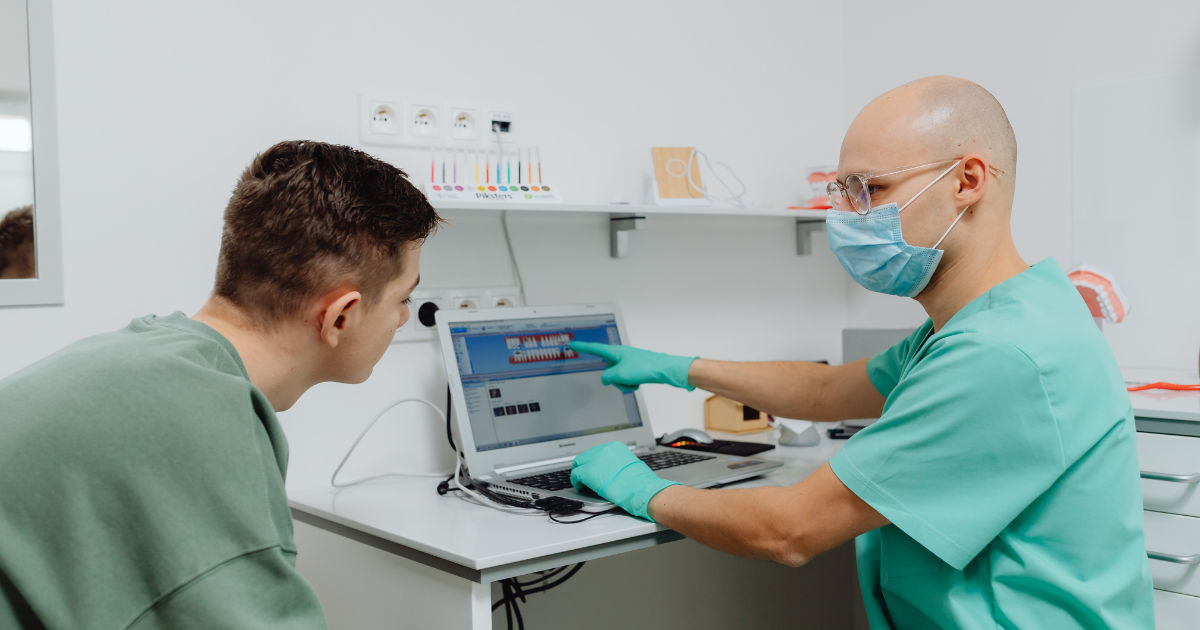
Outpatient treatment programs are designed to provide structured therapy, medical supervision, and support while giving patients the flexibility to integrate recovery into their everyday life.
This approach offers a balance between professional care and personal freedom, making it a practical option for many people.
In this guide, we will explore everything you need to know about outpatient rehab programs, including types, benefits, treatment processes, and tips for success.
What is an Outpatient Treatment Program?
An outpatient treatment program is a structured rehabilitation plan for individuals dealing with addiction, mental health disorders, or physical rehabilitation needs. Patients attend scheduled therapy sessions, medical appointments, and group programs but do not reside in a rehab facility.
This type of program allows individuals to live at home, work, or attend school while actively participating in their recovery. Outpatient treatment programs are often recommended for people with mild to moderate conditions, a strong support system at home, or those transitioning from inpatient care.
The flexibility of outpatient care is one of its biggest advantages. Patients can maintain their daily routines, which helps reduce the disruption caused by rehab and encourages long-term commitment to recovery.
Types of Outpatient Rehab Programs
Outpatient rehab programs are not one-size-fits-all. There are several types of programs designed to meet different needs. Understanding these options can help individuals choose the right program for their situation.
Standard Outpatient Programs
Standard outpatient programs are usually designed for individuals who need therapy and support but can manage their recovery alongside daily responsibilities. These programs typically involve a few hours of treatment each week, including individual counseling, group therapy, and educational sessions.
Intensive Outpatient Programs (IOP)
Intensive outpatient programs are more rigorous than standard programs. Patients attend therapy sessions for several hours each day, multiple days a week. IOPs are often used for individuals transitioning from inpatient care or those with moderate addiction or mental health issues.
Partial Hospitalization Programs (PHP)
Partial hospitalization programs are a step between inpatient care and standard outpatient care. Patients attend a facility for most of the day, often five to seven days a week, but return home in the evenings. PHPs provide structured care and medical supervision without requiring full residential stays.
Specialized Outpatient Programs
Some outpatient programs focus on specific conditions, such as alcohol addiction, drug dependency, eating disorders, or trauma-related mental health issues. These programs are tailored to the unique needs of the patient and often involve specialized therapies and support groups.
Key Components of an Outpatient Treatment Program
Outpatient rehab programs are designed to address multiple aspects of recovery. Understanding the key components can help patients make informed decisions about their care.
Individual Therapy
Individual therapy is a core component of outpatient programs. Patients meet regularly with a licensed therapist to explore underlying issues, develop coping skills, and create a personalized recovery plan.
Group Therapy
Group therapy provides peer support and accountability. Patients share experiences, challenges, and successes in a structured environment. Group sessions help reduce isolation and build a sense of community among participants.
Medical Supervision
Depending on the condition being treated, outpatient programs may include medical supervision. This can involve medication management, monitoring withdrawal symptoms, and regular health checkups to ensure the patient’s safety and well-being.
Family Involvement
Many outpatient programs encourage family participation. Family therapy sessions can improve communication, provide support, and help loved ones understand the recovery process. Family involvement often increases the chances of long-term success.
Educational Sessions
Educational sessions are designed to teach patients about addiction, mental health, relapse prevention, and healthy lifestyle choices. Knowledge is a powerful tool in recovery, and these sessions empower individuals to make informed decisions.
Benefits of an Outpatient Treatment Program
Outpatient rehab offers numerous advantages compared to inpatient care, making it a suitable choice for many individuals.
Flexibility
One of the main benefits of outpatient programs is flexibility. Patients can attend therapy sessions while maintaining work, school, or family responsibilities. This balance allows recovery to fit into daily life rather than disrupting it entirely.
Cost-Effectiveness
Outpatient treatment programs are generally more affordable than inpatient care because they do not require round-the-clock supervision or housing. Many insurance plans cover outpatient services, making them accessible to a wider range of patients.
Support Network
Since patients continue to live at home, they remain connected to their support system of family, friends, and community. This real-world support can be crucial in maintaining motivation and preventing relapse.
Gradual Transition
Outpatient programs can serve as a step-down from inpatient care. Patients leaving residential rehab can benefit from outpatient support to transition back into their everyday environment while continuing to receive structured treatment.
Personalized Care
Outpatient programs are often tailored to individual needs. Therapists can create customized plans that address specific challenges, ensuring that patients receive the care most relevant to their situation.
How to Know if an Outpatient Program is Right for You
Deciding whether an outpatient treatment program is suitable requires careful consideration of your situation, condition, and support system.
Severity of Condition
Outpatient programs are typically recommended for individuals with mild to moderate addiction or mental health challenges. Severe conditions may require inpatient care or more intensive medical supervision.
Support System
Having a reliable support system at home is crucial for outpatient recovery. Patients who can rely on family, friends, or community resources are more likely to succeed in an outpatient setting.
Personal Motivation
Successful recovery in an outpatient program requires commitment and self-discipline. Patients must be motivated to attend sessions, complete assignments, and actively participate in therapy.
Lifestyle Considerations
Patients who have stable housing, employment, or educational responsibilities may find outpatient programs more suitable than inpatient care. The ability to integrate recovery into daily life is a key factor in success.
The Outpatient Treatment Process
Outpatient rehab programs follow a structured process designed to guide patients through recovery while allowing flexibility.
Assessment and Intake
The first step in any outpatient program is a comprehensive assessment. This includes medical evaluations, psychological assessments, and interviews to understand the patient’s needs. The intake process helps create a personalized treatment plan.
Individualized Treatment Plan
Based on the assessment, therapists develop an individualized treatment plan. This plan outlines therapy sessions, medical care, support groups, and educational activities tailored to the patient’s goals and challenges.
Therapy Sessions
Therapy sessions are the backbone of outpatient treatment programs. Individual therapy addresses personal issues, while group therapy provides peer support. Sessions may also include cognitive-behavioral therapy, trauma-focused therapy, or other specialized approaches.
Medical Monitoring
For patients requiring medication or health monitoring, medical professionals oversee treatment. This may involve prescribing medication, tracking progress, and adjusting treatment as needed.
Progress Reviews
Regular progress reviews help ensure that the treatment plan is effective. Therapists assess improvements, address setbacks, and modify strategies to keep patients on track toward recovery.
Aftercare and Relapse Prevention
Outpatient programs often include aftercare planning. This may involve ongoing therapy, support groups, and strategies to prevent relapse. Aftercare ensures that patients continue to receive guidance even after formal treatment ends.
Common Challenges in Outpatient Rehab Programs
While outpatient treatment programs offer flexibility and support, they also come with challenges. Awareness of these obstacles can help patients prepare and succeed.
Temptation and Triggers
Living at home can expose patients to triggers that challenge recovery. Family conflicts, work stress, or social pressures may tempt individuals to relapse. Outpatient programs teach coping strategies to manage these challenges.
Self-Discipline
Outpatient recovery requires self-motivation and discipline. Unlike inpatient care, patients are responsible for attending sessions and completing assignments. Lack of commitment can hinder progress.
Limited Supervision
While outpatient programs include professional guidance, they do not offer 24/7 supervision. Patients must take responsibility for their actions and adhere to their treatment plans independently.
Balancing Responsibilities
Maintaining work, school, or family commitments while attending therapy can be challenging. Patients must find ways to balance daily responsibilities with recovery efforts.
Tips for Success in an Outpatient Treatment Program
Success in outpatient rehab programs requires commitment, planning, and support. Here are practical tips to enhance recovery.
Establish a Routine
Creating a structured daily routine helps integrate therapy sessions, self-care, and personal responsibilities. Consistency is key to building long-term habits.
Engage Fully in Therapy
Active participation in therapy, whether individual or group, maximizes the benefits of treatment. Patients should be honest, open, and willing to work on difficult issues.
Build a Support Network
Family, friends, and support groups provide encouragement, accountability, and emotional assistance. A strong support network increases the likelihood of successful recovery.
Avoid High-Risk Situations
Identifying triggers and avoiding high-risk situations is critical. Patients should develop strategies to cope with stress, social pressures, and cravings without jeopardizing recovery.
Utilize Aftercare Resources
Aftercare services, such as ongoing therapy, support groups, or educational programs, help patients maintain progress. Continuing support is vital for long-term success.
Conclusion
An outpatient treatment program is a flexible, effective, and practical approach to rehabilitation for addiction, mental health challenges, and physical recovery. It allows patients to receive professional care while living at home, maintaining responsibilities, and building a support network.
Outpatient programs offer a range of options, from standard therapy sessions to intensive and specialized programs. Key components include individual and group therapy, medical supervision, family involvement, and educational support. Benefits such as flexibility, cost-effectiveness, and personalized care make outpatient rehab an appealing choice for many individuals.
While outpatient programs present challenges, such as self-discipline and exposure to triggers, proper planning, engagement, and support can ensure success. By understanding the structure, benefits, and responsibilities of an outpatient treatment program, patients can make informed decisions and work toward lasting recovery.
Ultimately, outpatient rehab is about integrating recovery into real life while receiving the guidance needed to achieve personal growth, resilience, and long-term well-being.