Author: AsimAli

Inat Box Apk Overview for BeginnersInat Box Apk Overview for Beginners

Welcome to this beginner’s Inat Box Apk guide that helps you understand everything from basics to advanced use.

If you are new to Inat Box Apk, this blog post will explain what it is, why people use it, how to install it, how the features work, and what you should be careful about.
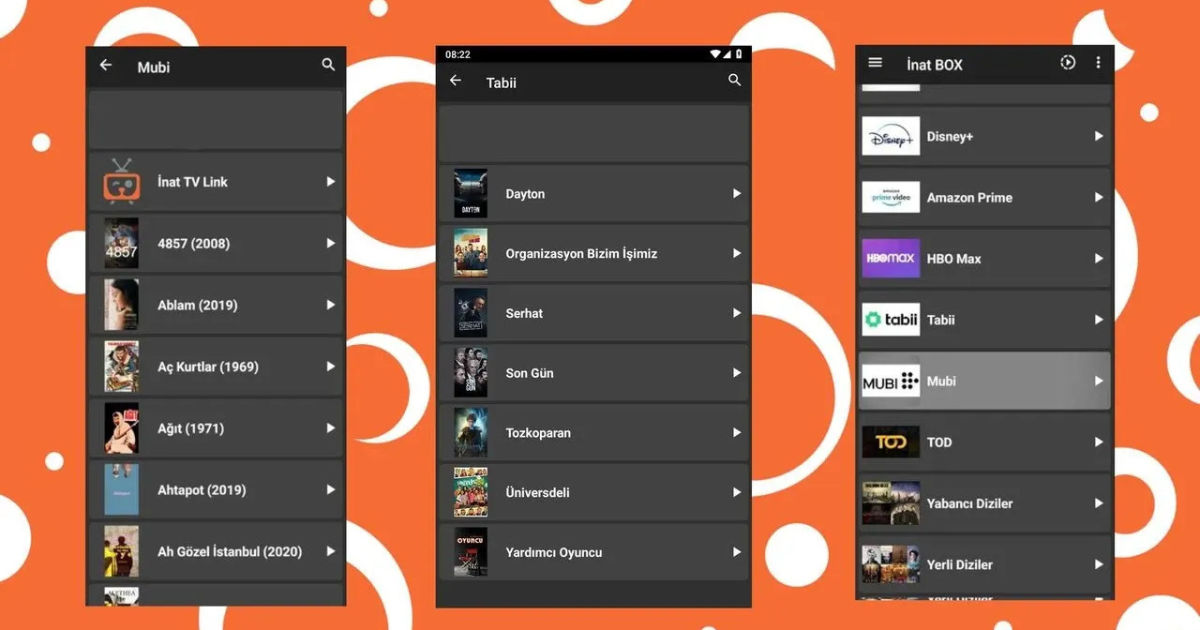
Throughout this introduction and guide, you will learn all about Inat Box Apk, its advantages, limitations, and whether it’s right for you.

When you first hear about Inat Box Apk, it might sound confusing, but by the end of this article, you will be much more comfortable talking about Inat Box Apk with others.

This simple and comprehensive explanation is designed for a 12th grade audience. You don’t need advanced technical knowledge to understand Inat Box Apk and how it works.

We will break down all the content into short, easy-to-read sections. Each part will help you build a clear picture of Inat Box Apk from scratch. The goal of this blog post is to give you the confidence to explore Inat Box Apk yourself.

What Is Inat Box Apk?

Inat Box Apk is a mobile application package file designed for Android devices. This file allows users to download and install the Inat Box Apk app outside of the official Google Play Store. Many users search for Inat Box Apk when they want features not available in normal apps or when they are exploring new tools. The Inat Box Apk file format makes it easy for Android phones to install software directly.

The idea behind Inat Box Apk is to let users access tools and features that might not be officially released on Google Play. People who love customization and exploration often talk about Inat Box Apk with interest. In simple terms, Inat Box Apk is just another type of Android installation file that brings certain functionalities to your device.

Why People Are Interested in Inat Box Apk

There are many reasons why Android users look for Inat Box Apk. First, people like the extra features that Inat Box Apk can offer. These features might not be available in regular versions of apps. Second, Inat Box Apk sometimes allows users to get tools that are free or unlocked. Third, some users enjoy exploring the Android environment and learning about alternative apps like Inat Box Apk.

In addition, the curiosity around Inat Box Apk grows because many tech communities share tips and tricks related to it. When you read about Inat Box Apk online, you find detailed experiences from other users. This helps beginners know what to expect. Overall, Inat Box Apk becomes popular due to flexibility, variety, and the ability to try new mobile experiences.

Is Inat Box Apk Safe?

Safety is one of the first questions people ask about Inat Box Apk. The safety of Inat Box Apk depends on the source you download it from. If you download Inat Box Apk from a trusted and verified site, it is more likely to be safe. If you download a corrupted or unverified version of Inat Box Apk, it could cause issues on your device.

Therefore, always check reviews, scan the file, and follow instructions when downloading Inat Box Apk. Using antivirus software can help prevent danger from malware or harmful code included in some Inat Box Apk files. Being careful and informed makes your experience with Inat Box Apk safer.

Key Features of Inat Box Apk

The major features of Inat Box Apk are what attract users. First, Inat Box Apk often includes enhanced functionalities that are not present in standard apps. These features could be extra customization settings, different user interface elements, or premium tools. Second, Inat Box Apk might offer a unique user experience that feels different from normal apps.

Third, Inat Box Apk allows installation without going through the Google Play Store. This offers more freedom to try new things. Fourth, features in Inat Box Apk sometimes work offline, giving users access without needing constant internet. All these features make Inat Box Apk a tool worth exploring for many Android users.

Requirements to Use Inat Box Apk

Before installing Inat Box Apk, you need to ensure that your Android device meets basic requirements. First, your device should be running a compatible version of Android that supports Inat Box Apk. Usually, newer versions of Android work better with Inat Box Apk. Second, your device should allow installation from unknown sources. This setting lets Inat Box Apk install outside Google Play.

To enable installation of Inat Box Apk, go to your device settings and allow “Unknown Sources” or “Install unknown apps.” This step is necessary for Inat Box Apk installation. Always double check your device specifications before installing Inat Box Apk to avoid issues.

How to Download Inat Box Apk

Downloading Inat Box Apk might feel tricky if you are new to APK files. To download Inat Box Apk, first search for it using a reliable source. A trustworthy website will have the latest version of Inat Box Apk available. Once you find the correct source, click the download button for Inat Box Apk.

Make sure the download completes fully before trying to install Inat Box Apk. A partial download can cause errors during installation. After downloading the Inat Box Apk file, you are ready for the installation process. Keep your device connected to a stable internet connection while downloading Inat Box Apk to avoid corrupt files.

Step-by-Step Installation of Inat Box Apk

Installing Inat Box Apk is a simple process if you follow the steps carefully. First, find the downloaded Inat Box Apk file in your device’s storage folder. This folder is usually called “Downloads.” Second, tap the Inat Box Apk file to begin installation.

Your device will ask for permission to install Inat Box Apk from unknown sources. Allow the installation by tapping “Install.” Wait for a few moments while the system installs Inat Box Apk. After installation is complete, you will see a confirmation message. Now, you can open Inat Box Apk and start using the app.

How to Use Inat Box Apk: Basic Guide

Once you install Inat Box Apk, the next step is learning how to use it. When you open Inat Box Apk, you will see the main interface. This interface is usually simple, with menus that guide you through the app. Explore the settings and features step by step.

Most beginners start with basic options in Inat Box Apk before moving to advanced features. You can always refer to community forums or online tutorials to learn more detailed ways to use Inat Box Apk. Practicing on your own device helps you understand the features of Inat Box Apk much better.

Common Mistakes Beginners Make with Inat Box Apk

As a beginner, you might make some common mistakes with Inat Box Apk. One mistake is not backing up your device before installing Inat Box Apk. Backups help you recover data if something goes wrong. Another mistake is downloading Inat Box Apk from unreliable sites, which could lead to malware issues.

Some beginners also ignore permissions requested during installation of Inat Box Apk. Always check what permissions the Inat Box Apk app is asking for, and only allow what is necessary. Recognizing these mistakes helps you avoid them and have a smoother experience with Inat Box Apk.

Tips for Getting the Best Experience with Inat Box Apk

To get the most out of Inat Box Apk, follow a few simple tips. First, keep your Inat Box Apk updated to the latest version. Updates often fix bugs and improve performance. Second, read reviews from other users about Inat Box Apk to learn useful tips or common problems.

Third, use a reliable antivirus tool when downloading and installing Inat Box Apk to protect your device. Fourth, explore the features of Inat Box Apk slowly, learning one function at a time. These tips help you enjoy Inat Box Apk without confusion or unnecessary risk.

Frequently Asked Questions About Inat Box Apk

Q: What exactly is Inat Box Apk?

A: Inat Box Apk is an Android installation file that lets users install special apps or tools outside the Google Play Store.

Q: Is it safe to install Inat Box Apk?

A: The safety of Inat Box Apk depends on the source you download it from. Always choose trusted sources for Inat Box Apk.

Q: Do I need special permissions to install Inat Box Apk?

A: Yes, you must allow installation from unknown sources before you can install Inat Box Apk.

These questions help beginners understand the basics of Inat Box Apk and how to begin using it safely.

How to Update Inat Box Apk

Updating Inat Box Apk is important for new features and security improvements. To update Inat Box Apk, first check for a new version online. Visit the same reliable site where you downloaded Inat Box Apk before. If a newer version is available, download the updated Inat Box Apk file.

After downloading the updated file, install it just like the original Inat Box Apk. This process replaces the older version with the new one. Always read the update notes for Inat Box Apk to know what changes or improvements have been made.

How to Uninstall Inat Box Apk

If you no longer need Inat Box Apk, you can uninstall it easily. Go to your device’s “Settings” and open “Apps” or “Application Manager.” Find Inat Box Apk in the list of installed apps. Tap on Inat Box Apk and choose “Uninstall.”

Confirm the uninstallation to remove Inat Box Apk from your device. This process does not affect other files on your device, only the Inat Box Apk app itself. Uninstalling Inat Box Apk is useful if you want to free up space or if you are experiencing problems.

Alternatives to Inat Box Apk

While Inat Box Apk is popular, there are other similar APK tools you might try. Some alternatives offer similar features to Inat Box Apk but with different interfaces or special functions. Researching alternatives helps you understand the broader world of Android APK tools.

When trying alternatives to Inat Box Apk, always make sure they come from trusted sources. Just like Inat Box Apk, these alternative apps need to be safe and reliable. Comparing options can help you find the best tool for your needs.

Pros and Cons of Using Inat Box Apk

Using Inat Box Apk has both benefits and drawbacks. On the positive side, Inat Box Apk offers extra features not found in regular apps. It also allows flexibility and exploration on Android devices. On the negative side, Inat Box Apk might pose security risks if downloaded from untrusted sites.

Understanding the pros and cons of Inat Box Apk helps you make an informed decision about using it. Weigh the advantages and possible risks before installing Inat Box Apk on your device.

Real User Experiences with Inat Box Apk

Many users share their experiences with Inat Box Apk online. Some users report that Inat Box Apk helped them access features they never had before. Others mention that they learned a lot about Android customization through Inat Box Apk. However, some users warn about downloading the wrong version of Inat Box Apk.

Reading user reviews can give you real insights into how Inat Box Apk works in practical situations. These stories help you learn from others’ successes and mistakes with Inat Box Apk.

Troubleshooting Common Problems with Inat Box Apk

Sometimes you might face issues with Inat Box Apk. If Inat Box Apk won’t install, check your device settings for unknown source permissions. If Inat Box Apk crashes, try restarting your device or reinstalling the file. If features in Inat Box Apk do not work, check for updates.

Troubleshooting steps help you solve problems quickly when working with Inat Box Apk. Be patient and follow each step carefully to fix issues.

Best Practices When Using Inat Box Apk

To use Inat Box Apk responsibly, follow best practices. Always download from verified sources. Always keep a backup of your device before installing Inat Box Apk. Scan files for malware before opening Inat Box Apk. Keep your device updated and avoid risky permission settings.

These practices protect your device and ensure a better experience with Inat Box Apk.

Conclusion

In conclusion, Inat Box Apk is a powerful and flexible tool for Android users who want to explore new features and customization. This guide covered what Inat Box Apk is, how to download it, how to install it, and how to use it safely. We also discussed common problems, tips, and best practices.

For beginners, understanding Inat Box Apk might take time, but with this guide, you are well prepared to begin. Always stay safe and informed when using Inat Box Apk on your device. With the right approach, Inat Box Apk can be a valuable addition to your Android experience.

Category: Technology

Tags:

What CRM for Property Management Workflow Tools Do?What CRM for Property Management Workflow Tools Do?

In the fast-paced world of real estate, managing properties efficiently is more than just keeping track of tenants and rent payments.

This is where CRM for Property Management comes in. These tools are designed to streamline property management workflows, improve communication, and help property managers stay organized.

Whether you manage residential, commercial, or mixed-use properties, a good CRM system can transform the way you operate.

This guide will explore what CRM for Property Management workflow tools do, their features, benefits, implementation strategies, and how they are changing the property management landscape.

 CRM for Property Management

CRM stands for Customer Relationship Management. While it is often associated with sales and marketing, in property management, a CRM serves a broader purpose. A CRM for Property Management is a software system that centralizes information about properties, tenants, leases, maintenance requests, and communication.

The goal is to improve efficiency and reduce the time spent on repetitive tasks. Property managers can use these tools to track leads, handle tenant inquiries, schedule maintenance, and analyze performance metrics.

Key Functions of CRM for Property Management

A comprehensive CRM for Property Management offers several workflow tools that address different aspects of property management. Here are the primary functions:

Tenant and Lease Management

One of the core functions of a CRM for Property Management is managing tenants and leases. These systems allow managers to:

  • Store tenant information, including contact details and rental history.

  • Track lease start and end dates, renewals, and expiration notices.

  • Automate reminders for rent collection and lease renewals.

  • Maintain records of tenant interactions and communications.

By having all this information in one system, property managers can reduce errors and provide better service to tenants.

Maintenance and Work Order Management

Maintenance requests are a crucial part of property management. A CRM for Property Management helps streamline this process:

  • Tenants can submit maintenance requests online.

  • Work orders are automatically created and assigned to the appropriate maintenance staff or contractor.

  • Managers can track the status of repairs in real time.

  • Reports can show recurring issues, helping with preventive maintenance.

This functionality ensures that maintenance issues are addressed quickly, improving tenant satisfaction and property value.

Financial Management and Reporting

Financial oversight is essential for property managers. CRM workflow tools can assist by:

  • Tracking rent payments and late fees.

  • Generating invoices and payment reminders.

  • Monitoring expenses, including repairs and utility costs.

  • Providing detailed financial reports to analyze cash flow and profitability.

This reduces manual bookkeeping and helps managers make informed decisions.

Marketing and Lead Management

For property managers looking to fill vacancies quickly, marketing is key. A CRM for Property Management can:

  • Track potential tenants and leads.

  • Automate follow-up emails and communication.

  • Post available properties on multiple platforms from a single dashboard.

  • Analyze which marketing channels are most effective.

This ensures properties stay occupied and reduces the time a property sits vacant.

Communication Tools

Communication is central to property management. CRM systems provide multiple ways to stay in touch:

  • Email and SMS notifications for tenants regarding rent, maintenance, and updates.

  • Centralized communication history to avoid miscommunication.

  • Automated reminders for important tasks or deadlines.

By keeping all communication in one place, managers can respond faster and maintain positive relationships with tenants.

Integration with Other Tools

Modern CRM for Property Management platforms often integrate with other software:

  • Accounting software for better financial management.

  • Online payment systems for easy rent collection.

  • Scheduling software to manage staff or contractor availability.

  • Document storage systems for lease agreements, inspection reports, and legal documents.

Integration reduces manual work and keeps data consistent across platforms.

Benefits of Using CRM for Property Management

Investing in a CRM for Property Management comes with several advantages for property managers, landlords, and tenants.

Increased Efficiency

A CRM centralizes all property-related information in one place. Property managers no longer need to rely on spreadsheets, emails, or paper files. This saves time and reduces errors.

Improved Tenant Satisfaction

Quick responses to maintenance requests, easy online communication, and timely reminders for rent payments improve tenant experiences. Satisfied tenants are more likely to renew leases and refer others.

Data-Driven Decision Making

CRM systems provide valuable insights. Managers can analyze vacancy rates, maintenance costs, and tenant behavior to make strategic decisions, such as adjusting rent prices or planning property upgrades.

Automation of Repetitive Tasks

Routine tasks like rent reminders, lease renewals, and follow-up emails can be automated. This frees up managers to focus on higher-priority tasks, like property improvement or marketing.

Scalability

As property portfolios grow, managing them manually becomes overwhelming. CRM workflow tools scale with your business, allowing you to manage more properties without significantly increasing workload.

Common Features of CRM for Property Management

Here’s a more detailed look at features that make these tools essential:

  • Dashboard Overview: Provides a snapshot of all properties, occupancy rates, upcoming lease expirations, and maintenance requests.

  • Tenant Portal: Tenants can pay rent, submit requests, and communicate with management online.

  • Automated Alerts: Reminders for lease renewals, late payments, inspections, or maintenance tasks.

  • Document Management: Store leases, inspection reports, invoices, and legal documents in a secure system.

  • Mobile Access: Managers and staff can access the system from smartphones or tablets.

  • Reporting and Analytics: Generate performance reports, track income and expenses, and monitor tenant satisfaction metrics.

How to Choose the Right CRM for Property Management

Selecting the right CRM involves understanding your property management needs and evaluating software options.

Assess Your Needs

  • How many properties and tenants do you manage?

  • Do you need robust maintenance tracking or financial reporting?

  • Are automated marketing tools essential?

  • Is mobile access a priority for your staff?

Consider Integration Capabilities

Ensure the CRM can integrate with your existing software, such as accounting or online payment platforms.

Evaluate User-Friendliness

A user-friendly interface reduces training time and increases adoption among staff and tenants.

Check Customer Support

Reliable customer support is critical in case of technical issues or questions during implementation.

Analyze Costs

Some CRM systems charge per user or per property, while others offer flat rates. Consider your budget and growth plans.

Implementation Strategies for CRM for Property Management

Successful implementation involves planning and training.

Data Migration

Before switching, ensure all tenant, property, and lease information is properly transferred to the new system.

Staff Training

Train your team on using the software effectively. Highlight automation features and dashboards to maximize efficiency.

Start Small

Begin with one or two properties to test the system, then expand gradually.

Continuous Review

Monitor how the CRM improves workflow and adjust settings or processes as needed.

Future Trends in CRM for Property Management

The property management industry is evolving, and CRMs are keeping pace with innovative features:

  • AI-Powered Insights: Artificial intelligence predicts tenant behavior, maintenance needs, and market trends.

  • Enhanced Mobile Apps: More features available on mobile devices for managers and tenants.

  • Smart Home Integration: CRMs integrate with IoT devices in properties for automated monitoring.

  • Virtual Tours and Digital Marketing: Streamline property showings and marketing campaigns through the CRM.

Conclusion

A CRM for Property Management is no longer just a tool—it is an essential partner for modern property managers. These workflow tools improve efficiency, communication, and tenant satisfaction while providing actionable insights for data-driven decision-making. By automating repetitive tasks, centralizing information, and integrating with other systems, CRMs make property management more manageable and scalable.

Investing in the right CRM ensures that your properties are not just maintained, but optimized for maximum occupancy, profitability, and tenant satisfaction. Whether you manage a small portfolio or multiple commercial properties, these tools offer solutions that save time, reduce errors, and allow you to focus on growth.

For any property manager aiming to stay competitive in today’s fast-paced real estate market, adopting a CRM for Property Management is not optional—it’s a necessity.

Category: Real Estate

Tags:

What SEO Growth Case Studies Page Teach?What SEO Growth Case Studies Page Teach?

If you are serious about improving your website’s search engine visibility, then learning from real examples can be a game-changer. SEO growth case studies pages are not just reports—they are roadmaps showing how strategies work in real-world scenarios.

Many marketers and business owners overlook these pages, but they are treasure troves of information. You can visit our page to see detailed SEO case studies that highlight actionable techniques, measurable results, and step-by-step strategies that work.

By analyzing SEO case studies, you can discover which strategies actually drive traffic, improve rankings, and increase revenue. Instead of relying on theories, you get practical insights that have been tested and proven.

This guide will explore everything you need to know about learning from SEO growth case studies pages, including common patterns, actionable takeaways, and mistakes to avoid.

Why SEO Case Studies Are Important

SEO is constantly changing. Google updates its algorithms frequently, and tactics that worked last year may not work today. Case studies provide context for these changes and show how businesses adapt. By studying growth case studies, you gain:

  • A clear understanding of real-world SEO challenges

  • Proven methods that businesses used to overcome these challenges

  • Insights into the results you can realistically expect

When you visit our page to see detailed SEO case studies, you will notice that they include metrics like organic traffic growth, keyword ranking improvements, and conversion rate changes. These metrics are crucial because they provide a measurable way to evaluate success.

How Case Studies Show the Step-by-Step SEO Process

One of the biggest benefits of SEO growth case studies pages is seeing the process behind the results. Unlike tutorials that tell you what to do, case studies show how strategies were implemented. This includes:

  • Keyword research and selection

  • Content creation strategies

  • On-page and technical SEO fixes

  • Link-building approaches

  • Performance tracking and analysis

Understanding these steps helps you replicate strategies for your own site. For example, you might discover that a particular business grew its traffic by targeting long-tail keywords, optimizing older content, and creating internal links systematically. You can apply similar methods to your website while avoiding the mistakes that other businesses made.

Learning From Real-World SEO Challenges

Every website has unique challenges. Some struggle with low domain authority, others with limited content, and some with high competition keywords. SEO case studies pages are useful because they show these challenges in context.

For instance, you might see a case study where a small e-commerce site struggled to rank for competitive product terms. The case study may reveal that the site focused on creating product guides, improving site speed, and building niche backlinks. This kind of information is invaluable because it shows that even websites with limitations can succeed with the right strategy.

Understanding SEO Metrics Through Case Studies

Numbers tell the real story behind SEO. Case studies highlight metrics that matter, including:

  • Organic traffic growth

  • Keyword ranking improvements

  • Bounce rate reduction

  • Conversion rate improvement

  • Domain authority changes

By studying these metrics in context, you learn which strategies are most effective. For example, a business might increase organic traffic by 300% in six months by focusing on blog content and internal linking. Seeing the numbers alongside the tactics used helps you gauge how realistic your own SEO goals are.

Patterns and Trends You Can Identify

Another lesson from SEO growth case studies pages is identifying patterns and trends. When you read multiple case studies, you can spot common strategies that work across industries.

Some common trends include:

  • Content clustering around core topics

  • Optimizing for user intent rather than keyword stuffing

  • Mobile-first website optimization

  • Strategic use of backlinks from authoritative sites

  • Consistent monitoring of SEO performance metrics

Recognizing these trends can help you focus on tactics that are more likely to succeed, saving you time and effort.

How Case Studies Help Avoid SEO Mistakes

SEO is not just about doing things right—it’s also about avoiding costly mistakes. Many case studies include lessons learned from failed campaigns. Common mistakes highlighted in case studies include:

  • Targeting overly competitive keywords without a solid strategy

  • Ignoring mobile optimization

  • Using low-quality backlinks

  • Neglecting site speed and user experience

  • Not tracking performance metrics

By learning from these mistakes, you can design your SEO strategy more effectively and avoid wasting time and resources.

Applying Case Study Insights to Your Own Site

The ultimate goal of reviewing SEO growth case studies pages is to apply the lessons to your own website. Here’s how you can do it:

  1. Identify Relevant Case Studies: Focus on case studies within your industry or with similar goals.

  2. Analyze Strategies: Take note of keyword strategies, content plans, and technical improvements.

  3. Review Metrics: Look at the results and see how long it took to achieve them.

  4. Adapt for Your Audience: Customize the strategies for your target audience and niche.

  5. Monitor Results: Track performance and adjust as needed based on your analytics.

When you visit our page to see detailed SEO case studies, you will notice that each example includes clear steps you can take. You can even combine tactics from multiple case studies to create a more robust SEO plan.

The Role of Content in SEO Growth Case Studies

Content is often the backbone of SEO success. Case studies emphasize the importance of high-quality, relevant, and engaging content. Key takeaways include:

  • Creating content that addresses user intent

  • Updating older content for freshness

  • Using structured data for enhanced search results

  • Incorporating multimedia like images and videos

  • Writing clear, readable content that keeps users engaged

A pattern emerges in successful case studies: content is always aligned with the audience’s needs, and keyword optimization is done naturally, not forcefully.

Technical SEO Insights from Case Studies

Technical SEO is often overlooked by beginners, but case studies highlight its critical role. Key areas include:

  • Site speed improvements

  • Mobile optimization

  • Fixing broken links and redirects

  • Improving site architecture for easier crawling

  • Implementing structured data for better indexing

These technical tweaks can dramatically improve rankings and user experience. Case studies provide a blueprint for what works in technical SEO.

The Impact of Backlinks in SEO Case Studies

Backlinks remain a powerful ranking factor. Growth case studies often reveal how businesses gained quality backlinks without spammy practices. Lessons include:

  • Guest posting on authoritative sites

  • Creating link-worthy content such as infographics or research reports

  • Leveraging relationships with influencers and industry sites

  • Avoiding low-quality or irrelevant links that can hurt rankings

Seeing the results in a case study helps you understand the value of backlinks and how to earn them ethically.

How Case Studies Show SEO ROI

One of the most valuable aspects of SEO growth case studies pages is learning about return on investment (ROI). SEO is not just about traffic; it’s about profitable traffic. Case studies demonstrate:

  • How traffic increases translate into sales or leads

  • The cost of implementing SEO strategies versus the revenue gained

  • Long-term benefits of consistent SEO efforts

By examining ROI in case studies, you can set realistic expectations for your own campaigns and justify SEO investments.

Common SEO Strategies Highlighted in Case Studies

Across multiple case studies, some strategies repeatedly appear as highly effective:

  • Keyword Clustering: Grouping related keywords around a topic to improve authority.

  • Content Upgrades: Updating and expanding existing content for better rankings.

  • Internal Linking: Improving site structure and distributing link equity.

  • User Experience Optimization: Focusing on navigation, speed, and mobile experience.

  • Analytics-Driven Decisions: Using data to refine strategies continuously.

These strategies are often interlinked and work best when combined.

How Small Businesses Can Benefit

Even if you have a small website or limited resources, SEO growth case studies are highly relevant. They show that success is not only for large enterprises. Many small businesses in case studies achieved significant growth by:

  • Focusing on niche keywords

  • Prioritizing high-quality content over quantity

  • Building local citations and links

  • Engaging audiences through blogs and social media

You don’t need a massive budget to see results, but you do need a clear strategy informed by proven examples.

Measuring Success Like the Pros

Case studies show how professional SEO teams measure success. Key metrics include:

  • Organic traffic growth over time

  • Number of ranking keywords

  • Click-through rates from search results

  • Conversions from organic visitors

  • Domain authority and backlink quality

By understanding these metrics, you can evaluate your own campaigns objectively and refine your SEO strategies.

Adapting Strategies for Different Industries

SEO is not one-size-fits-all. Case studies highlight how different industries require different approaches. For example:

  • E-commerce sites focus on product page optimization and reviews

  • SaaS companies prioritize content marketing and lead generation

  • Blogs and publishers rely on content clustering and topical authority

  • Local businesses emphasize Google Business Profile optimization and local links

Studying case studies across industries helps you adapt tactics to your unique needs.

Long-Term Benefits of Learning from Case Studies

One of the most important lessons is that SEO is a long-term investment. Case studies show that sustained effort leads to compounding growth. Benefits include:

  • Consistent increase in organic traffic

  • Improved brand authority

  • Higher conversion rates from qualified visitors

  • Stronger online presence against competitors

By implementing strategies inspired by case studies, your website can grow steadily over months and years.

Conclusion

SEO growth case studies pages are invaluable resources for anyone serious about online marketing. They provide real-world examples, actionable strategies, measurable results, and lessons from mistakes. By visiting our page to see detailed SEO case studies, you gain insights that go beyond theory and show what works in practice.

These case studies teach you how to:

  • Implement step-by-step SEO processes

  • Understand and track critical metrics

  • Avoid common mistakes

  • Adapt strategies for your industry

  • Focus on sustainable, long-term growth

Ultimately, learning from these case studies can save you time, resources, and effort, while increasing your chances of SEO success. For anyone looking to improve search engine rankings, attract more organic traffic, and grow a business online, studying real-life examples is one of the smartest strategies you can adopt.

When you take lessons from proven case studies and adapt them to your website, you set yourself up for measurable success and continuous improvement. SEO is not a guessing game when you have detailed examples to guide your decisions.

Visiting our page to see detailed SEO case studies is the first step toward understanding what strategies work, what mistakes to avoid, and how to measure growth effectively. By combining insights from multiple case studies, you can create a powerful SEO strategy tailored to your audience and business goals.

Category: Business

Tags:

Sprinter Van Services for Business EventsSprinter Van Services for Business Events

When organizing business events, transportation is often one of the most overlooked yet crucial aspects. Ensuring that your team, clients, or guests arrive on time, comfortably, and safely can significantly impact the success of the event.

This is where sprinter van services come into play. These services provide flexible, reliable, and luxurious transportation solutions tailored for business needs.

Whether you are planning a corporate conference, client meeting, team-building retreat, or a product launch, sprinter van services can simplify logistics, enhance professionalism, and provide a seamless travel experience.

In this guide, we will explore everything you need to know about sprinter van services for business events, from their features and benefits to planning tips and cost considerations.


What Are Sprinter Van Services?

Sprinter van services refer to transportation solutions that utilize Mercedes-Benz Sprinter vans or similar high-quality vehicles designed to carry groups of passengers comfortably. Unlike traditional taxis or shuttle services, these vans offer more space, privacy, and amenities, making them ideal for business events.

These services are often accompanied by professional drivers trained in corporate etiquette and safety standards. Sprinter vans typically seat between 10 to 15 passengers and come equipped with modern amenities like Wi-Fi, charging ports, reclining seats, and climate control.

For businesses, using sprinter van services ensures that attendees can travel together, promoting punctuality, teamwork, and convenience.


Why Choose Sprinter Van Services for Business Events?

Using sprinter van services for business events offers several advantages over other transportation methods:

Reliability and Punctuality

Business events operate on strict schedules. Delays in transportation can disrupt meetings, presentations, or networking sessions. Sprinter van services are known for punctuality, with professional drivers who understand traffic patterns, optimal routes, and time management.

Comfort and Luxury

Unlike regular buses or taxis, sprinter vans provide a comfortable travel experience. Spacious interiors, ergonomic seating, and advanced climate control ensure that passengers arrive at the venue refreshed and ready to participate.

Team Cohesion

Traveling together in a single van fosters team cohesion. Employees, partners, or clients can use travel time to discuss ideas, network, or prepare for presentations. This shared experience is often more productive than individual travel arrangements.

Safety and Professionalism

Professional sprinter van services prioritize safety. Drivers are trained, vehicles are regularly maintained, and modern safety features like airbags, ABS brakes, and stability control systems are standard. This ensures peace of mind for both the organizer and attendees.

Flexibility and Customization

Sprinter van services can be tailored to the specific needs of a business event. Whether you require multiple pickups, extended hours, or on-demand routes, service providers can adjust schedules and itineraries to meet event requirements.


Features of Sprinter Van Services

Understanding the features of sprinter van services helps businesses make informed decisions. Some of the most important features include:

Seating Capacity

Sprinter vans can accommodate 10 to 15 passengers comfortably, making them ideal for small to medium-sized corporate groups. Some larger models can handle even more passengers without compromising comfort.

Modern Amenities

Most sprinter vans come equipped with amenities such as:

  • Wi-Fi for on-the-go productivity

  • USB and power outlets for device charging

  • Adjustable and reclining seats

  • Climate control for passenger comfort

  • Privacy partitions for confidential discussions

Accessibility

Many sprinter vans offer wheelchair accessibility and easy boarding, making them suitable for inclusive business events.

GPS Tracking and Route Optimization

Service providers use GPS technology to monitor routes and adjust travel times in real-time. This ensures timely arrivals and helps avoid traffic delays.

Professional Chauffeurs

Drivers are trained in corporate etiquette, safe driving, and customer service. They can assist with luggage, provide local insights, and maintain a professional demeanor throughout the journey.


Types of Business Events Ideal for Sprinter Van Services

Sprinter van services are versatile and suitable for a wide range of business events:

Corporate Conferences

Large conferences often involve multiple venues or sessions. Using sprinter van services ensures that delegates can move efficiently between locations without worrying about transportation logistics.

Client Meetings and Visits

Impress clients with seamless transportation. Sprinter vans offer privacy, comfort, and a professional image, enhancing the overall client experience.

Team-Building Activities

Whether the event is local or requires travel to a different location, sprinter van services keep the team together, promoting communication and bonding.

Trade Shows and Exhibitions

Attendees can travel together in a sprinter van, reducing the hassle of parking, managing multiple vehicles, or navigating public transportation.

Product Launches

Timely arrival and coordinated movement of employees, media, and partners are critical during product launches. Sprinter van services ensure a smooth and organized experience.


Benefits of Sprinter Van Services for Business Events

The benefits of using sprinter van services extend beyond basic transportation.

Cost-Effectiveness

While renting multiple taxis or arranging separate rides can be expensive, a single sprinter van can transport the entire group for a lower cost per person.

Time Efficiency

Sprinter vans reduce waiting times and delays by picking up multiple passengers simultaneously. Coordinated travel saves valuable time during tight schedules.

Eco-Friendly Options

Many sprinter van services now offer fuel-efficient or hybrid models, making them an environmentally responsible choice for corporate events.

Enhanced Brand Image

Arriving in a sleek, professional vehicle demonstrates attention to detail and commitment to quality, leaving a positive impression on clients and partners.

Convenience in Logistics

Sprinter van services can handle complex itineraries, multiple stops, and flexible schedules. Organizers can focus on the event rather than transportation coordination.


How to Choose the Right Sprinter Van Service Provider

Selecting the right service provider is critical to ensure a smooth experience. Consider these factors:

Vehicle Quality and Maintenance

Ensure the provider maintains their fleet regularly and offers well-maintained, modern vehicles. Safety, comfort, and reliability depend on vehicle quality.

Professionalism of Drivers

Drivers should be experienced, courteous, and trained for corporate services. Check reviews or request references to ensure professionalism.

Range of Services

Choose providers that offer flexible packages, including multiple vans, extended hours, and customized itineraries.

Pricing Transparency

Understand pricing structures, including hourly rates, mileage, gratuities, and additional fees. Transparent pricing prevents surprises and helps plan budgets accurately.

Customer Support

Reliable customer service is essential. Providers should be responsive to queries, last-minute changes, and on-the-day coordination needs.


Tips for Maximizing Sprinter Van Services During Business Events

To get the most out of sprinter van services, follow these tips:

Plan Ahead

Book your vans in advance, especially for large events, to ensure availability. Provide the service provider with a detailed itinerary, including pick-up points, drop-off locations, and schedules.

Communicate Clearly

Share passenger lists, special requirements, and expected arrival times to avoid confusion. Clear communication ensures smooth coordination.

Optimize Routes

Work with your provider to identify the most efficient routes, considering traffic, road conditions, and event locations.

Utilize Onboard Amenities

Encourage passengers to use Wi-Fi, charging ports, and other amenities for productivity during transit.

Provide Feedback

After the event, provide feedback to the service provider. Positive feedback helps maintain relationships, while constructive criticism can improve future service.


Common Misconceptions About Sprinter Van Services

Many businesses are hesitant to use sprinter van services due to misconceptions. Let’s address some of these:

“They Are Too Expensive”

While the upfront cost may seem higher than individual rides, the cost per passenger is often lower, especially for medium-sized groups. Additionally, savings in time and logistics often outweigh the initial investment.

“They Are Only for Luxury Travel”

Sprinter vans are practical and professional, not just luxurious. They provide functional benefits such as group travel coordination, safety, and comfort.

“Scheduling Is Complicated”

Most providers specialize in business events and offer flexible scheduling, multiple stops, and itinerary adjustments. Coordinating with a professional provider simplifies planning rather than complicating it.

“They Don’t Offer Enough Flexibility”

Sprinter van services can be customized to meet the specific needs of your event, from pickup times to onboard services.


Cost Considerations for Sprinter Van Services

Understanding pricing helps businesses budget effectively. Costs can vary based on:

  • Number of passengers

  • Duration of service (hourly or full-day)

  • Distance traveled

  • Additional amenities (Wi-Fi, refreshments, onboard entertainment)

  • Special requests (extended hours, multiple stops)

Many providers offer package deals for corporate clients, which can be more cost-effective than hourly rates.


Case Studies: Sprinter Van Services in Action

Example 1: Corporate Training Retreat

A technology company needed transportation for 12 employees to an off-site training retreat. Using a sprinter van service allowed the team to travel together, maintain productivity with onboard Wi-Fi, and arrive refreshed. The provider coordinated multiple pick-up locations, demonstrating the convenience of professional service.

Example 2: Client Visit Coordination

A consulting firm arranged a client visit to multiple offices in a city. The sprinter van service provided a professional driver who handled traffic navigation, luggage, and schedule management. This created a seamless experience and left a strong impression on the clients.

Example 3: Trade Show Attendance

A small business attended a trade show with eight staff members. Sprinter van services ensured that all employees arrived on time, stayed together, and had space to store promotional materials. The team also used travel time for last-minute strategy discussions.


Conclusion

Sprinter van services are an invaluable tool for business events. They combine reliability, comfort, professionalism, and efficiency, making them the ideal transportation solution for corporate gatherings. Whether you are hosting a conference, coordinating client visits, organizing a team-building retreat, or attending trade shows, sprinter van services provide seamless travel experiences, reduce logistical headaches, and enhance your company’s image.

By understanding the features, benefits, and cost considerations, businesses can make informed decisions and maximize the value of sprinter van services. From saving time and money to ensuring safety and comfort, these services transform the way companies manage event transportation.

Investing in sprinter van services for your next business event is more than just hiring a vehicle—it’s about creating a professional, stress-free, and cohesive travel experience that reflects positively on your organization.

Category: Travel & Tours

Tags:

What ROI Clinical Workflow Automation Brings?What ROI Clinical Workflow Automation Brings?

In today’s fast-paced healthcare environment, efficiency and patient care quality are critical. One technology that has transformed the medical landscape is clinical workflow automation.

From simplifying administrative tasks to improving patient outcomes, clinical workflow automation automation brings measurable value to hospitals, clinics, and healthcare providers.

But what is the real return on investment (ROI) from implementing these systems? This guide will explore the financial, operational, and clinical benefits of automation in healthcare workflows.

Clinical Workflow Automation

Before diving into ROI, it’s essential to understand what clinical workflow automation means. In simple terms, it refers to using software and technology to automate repetitive tasks and processes in healthcare settings. This includes:

  • Patient scheduling

  • Electronic health record (EHR) updates

  • Prescription management

  • Billing and claims processing

  • Laboratory results management

Automation doesn’t replace healthcare professionals. Instead, it reduces manual effort, minimizes errors, and allows staff to focus on tasks that require human judgment, like patient care.


The Financial Impact of Clinical Workflow Automation

One of the most compelling reasons for healthcare organizations to adopt clinical workflow automation is financial ROI. Studies show that automation can lead to significant cost savings in multiple areas.

Reducing Administrative Costs

Healthcare providers spend a large portion of their budgets on administrative work. Tasks like entering patient data, managing claims, and coordinating appointments require time and staff resources. Clinical workflow automation streamlines these processes, reducing the need for extensive administrative staffing. Fewer manual tasks mean fewer errors, which also reduces costly corrections and claim denials.

Faster Revenue Cycle Management

Billing and revenue cycles are often slowed by manual errors, incomplete documentation, or delayed approvals. Automation ensures that billing data is accurate, claims are submitted promptly, and follow-ups happen automatically. This leads to faster reimbursements and improved cash flow for healthcare organizations.

Minimizing Compliance Risks

Healthcare regulations are complex, and non-compliance can result in fines and penalties. Automation helps maintain compliance by ensuring documentation is complete, deadlines are met, and processes follow regulatory guidelines. By avoiding fines, hospitals and clinics directly protect their bottom line.


Operational Efficiency Gains

Financial ROI is just one aspect. Clinical workflow automation also dramatically improves operational efficiency.

Reducing Human Error

Manual data entry is prone to mistakes, from incorrect patient details to misfiled lab results. Automation reduces these errors by standardizing workflows. For example, automated EHR updates ensure that all staff members access consistent, accurate patient data. This efficiency minimizes wasted time correcting mistakes and improves patient safety.

Streamlining Communication

Healthcare involves multiple stakeholders—doctors, nurses, lab technicians, and administrative staff. Automated workflows can synchronize communication across teams. For instance, when lab results are ready, the system can automatically notify the responsible physician. This reduces delays, avoids duplicated work, and keeps the care team informed.

Optimizing Staff Utilization

Staff burnout is a growing issue in healthcare. By automating repetitive tasks, clinical workflow automation allows professionals to focus on critical tasks, such as patient consultations and care planning. Optimized staff time translates into more patients being treated without increasing headcount, further improving ROI.


Improving Patient Outcomes

ROI isn’t just about money. Improved patient care is a key benefit of clinical workflow automation, which indirectly contributes to financial performance through patient retention and satisfaction.

Timely Interventions

Automation ensures that critical information, like lab results or medication updates, reaches the right clinician promptly. This means quicker decision-making and timely interventions, which can prevent complications and reduce hospital readmissions—a significant cost-saving for healthcare organizations.

Consistency in Care

Automation standardizes care protocols. For example, reminders for preventive screenings or vaccination schedules can be automated, ensuring patients receive consistent, high-quality care. This consistency reduces variability in treatment outcomes, enhancing both patient safety and satisfaction.

Enhanced Patient Engagement

Automated appointment reminders, follow-ups, and educational communications keep patients engaged in their care. Engaged patients are more likely to adhere to treatment plans, attend appointments, and provide positive feedback—all factors that improve a hospital’s reputation and revenue potential.


Quantifying ROI of Clinical Workflow Automation

Many healthcare organizations struggle to measure the ROI of automation accurately. However, several key performance indicators (KPIs) can help quantify benefits.

Cost Savings

Track reductions in administrative costs, errors, and compliance penalties. For example, if a hospital reduces its data entry team from ten employees to six due to automation, the savings in salaries and benefits can be easily calculated.

Time Efficiency

Measure time saved per task. Automation that reduces time spent on patient scheduling or EHR updates frees staff to handle more patients. This can translate directly into increased revenue and better patient throughput.

Revenue Gains

Evaluate improvements in billing accuracy, claim approval rates, and faster reimbursements. For instance, if automation reduces rejected claims from 10% to 2%, the additional revenue is a clear ROI indicator.

Patient Satisfaction and Retention

While harder to quantify, patient satisfaction impacts long-term revenue. Hospitals can use surveys, repeat visit rates, and online reviews as indicators of improved patient engagement due to workflow automation.


Real-World Examples of ROI

Several healthcare institutions have documented measurable ROI after implementing clinical workflow automation.

Case Study 1: Large Urban Hospital

A large urban hospital automated its patient scheduling, billing, and EHR updates. Within a year:

  • Administrative costs decreased by 25%

  • Claim rejection rates dropped by 15%

  • Staff reported 30% less time spent on routine paperwork

The hospital recouped its initial investment in automation software within 18 months.

Case Study 2: Mid-Sized Clinic Network

A network of mid-sized clinics implemented automated lab result notifications and patient reminders. Outcomes included:

  • 40% faster lab result delivery to physicians

  • 20% improvement in patient appointment adherence

  • Significant increase in patient satisfaction scores

The clinic network reported higher retention rates and improved operational efficiency, translating to a strong ROI.


Challenges in Implementing Clinical Workflow Automation

While the ROI potential is high, there are challenges healthcare providers must consider.

Upfront Investment

Automation systems require significant initial capital, including software licensing, hardware, and training. However, careful planning and phased implementation can ensure the investment pays off over time.

Staff Adaptation

Some staff may resist new workflows. Proper training and clear communication about how automation reduces workload rather than replaces jobs are essential for smooth adoption.

Data Integration

Integrating automation with existing EHRs, billing systems, and lab software can be complex. Working with experienced vendors and IT teams can minimize integration issues.


Best Practices for Maximizing ROI

To get the most out of clinical workflow automation, healthcare providers should follow these best practices:

Conduct a Workflow Audit

Analyze current workflows to identify bottlenecks, repetitive tasks, and error-prone processes. This ensures automation targets the areas with the highest potential ROI.

Start Small and Scale

Implement automation in one department or process first. Measure results, make improvements, and then expand to other areas. This phased approach reduces risk and builds staff confidence.

Involve Staff Early

Engage healthcare professionals in planning and implementation. Their insights help create workflows that truly enhance efficiency and patient care.

Monitor and Measure

Track KPIs continuously, including cost savings, time efficiency, and patient satisfaction. Regular monitoring allows for adjustments and maximizes ROI over time.


Future of Clinical Workflow Automation

The future of healthcare lies in advanced automation and AI-driven workflows. Emerging trends include:

Artificial Intelligence Integration

AI can predict patient needs, flag potential complications, and recommend care pathways. Combining AI with automation creates a smarter, more proactive healthcare system.

Remote and Telehealth Automation

With telemedicine on the rise, automating patient scheduling, follow-ups, and digital documentation will become increasingly important. This ensures seamless care without requiring in-person visits.

Predictive Analytics

Automation combined with predictive analytics can help healthcare providers forecast patient volumes, resource needs, and potential revenue impacts, enhancing strategic planning and ROI.


Conclusion

Clinical workflow automation offers healthcare organizations a powerful tool to improve efficiency, reduce costs, enhance patient outcomes, and maximize ROI. The financial benefits, including lower administrative expenses, faster revenue cycles, and compliance protection, are tangible and measurable. Operational improvements, such as reduced errors, better communication, and optimized staff utilization, complement financial gains. Beyond dollars, automation improves patient care, engagement, and satisfaction, which indirectly contributes to long-term revenue growth and reputation.

Healthcare providers who implement clinical workflow automation thoughtfully, involve their staff, and continuously monitor outcomes are well-positioned to enjoy a strong return on investment. The key is not just adopting technology but integrating it strategically into daily workflows to enhance both patient care and operational performance.

By leveraging automation, healthcare organizations can transform their operations, elevate patient experiences, and secure financial sustainability in an increasingly complex healthcare landscape

Category: Business

Tags: