
How Does Packing Equipment Improve Production?
In modern manufacturing, efficiency and speed are critical factors that determine success. One of the most important innovations in this area is the use of a Packing Machine.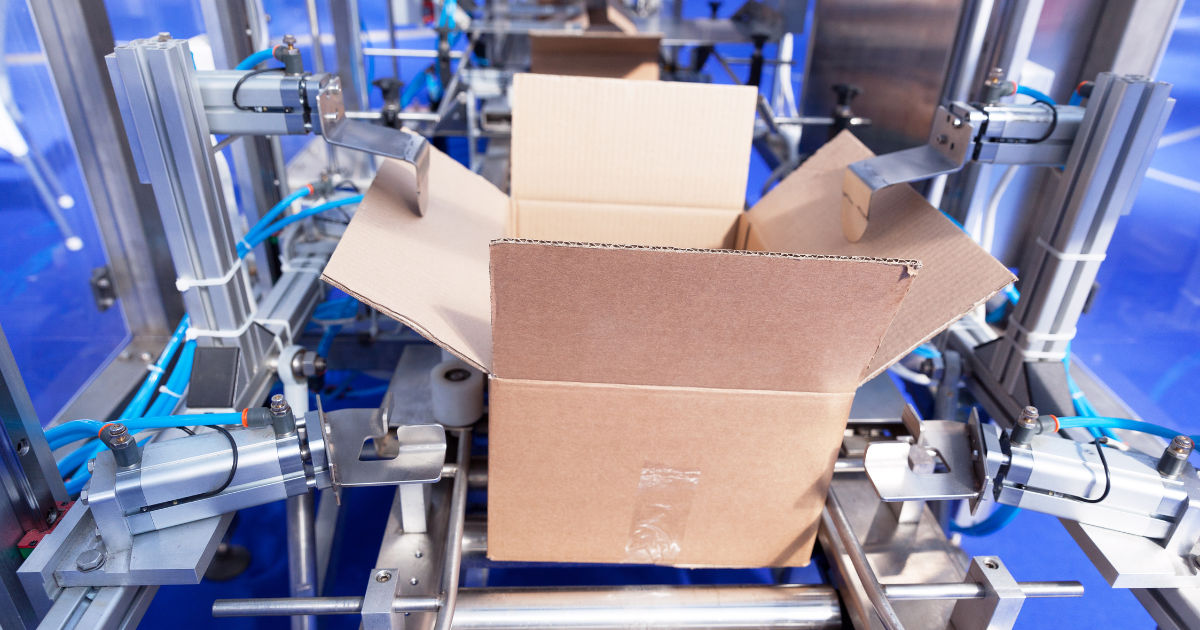
A Packing Machine plays a key role in improving how products are packaged, stored, and delivered to customers. Businesses across industries rely on a Packing Machine to reduce manual labor, increase productivity, and maintain consistent quality.
A Packing Machine is not just a tool; it is a complete solution that transforms production lines into highly efficient systems. Without a Packing Machine, companies often struggle with slow output, human error, and higher operational costs.
With a Packing Machine, production becomes faster, cleaner, and more reliable.In this guide, we will explore how packing equipment improves production in detail, including speed, accuracy, cost savings, automation, and real-world applications.
Packing Equipment in Manufacturing
What is Packing Equipment?
Packing equipment refers to machines designed to package goods efficiently. A Packing Machine is the central component of this system. It automates processes like filling, sealing, labeling, and wrapping products.
Role of a Packing Machine in Production
A Packing Machine reduces manual handling and ensures uniform packaging. It helps maintain quality standards while increasing output speed. In modern factories, a Packing Machine is essential for smooth workflow and reduced downtime.
How a Packing Machine Improves Production Speed
Continuous Operation Without Breaks
A major advantage of a Packing Machine is its ability to operate continuously. Unlike human workers, it does not require rest, which increases production output significantly.
Higher Output in Less Time
A Packing Machine can handle hundreds or even thousands of units per hour. This speed allows manufacturers to meet high demand without delays.
Eliminating Bottlenecks
Production delays often occur during manual packaging. A Packing Machine removes these bottlenecks by ensuring a smooth flow from production to packaging.
Accuracy and Consistency in Packaging
Standardized Product Output
A Packing Machine ensures every product is packaged with the same size, weight, and sealing quality. This consistency is important for branding and customer trust.
Reducing Human Error
Manual packaging can lead to mistakes. A Packing Machine eliminates these errors by automating measurements and sealing processes.
Material Waste Reduction
A Packing Machine uses precise measurements, reducing overfilling and material wastage. This improves efficiency and lowers production costs.
Cost Efficiency and Labor Reduction
Lower Workforce Requirements
With a Packing Machine, fewer workers are needed on the production line. One operator can manage multiple machines.
Reduced Operational Costs
A Packing Machine lowers costs related to wages, training, and supervision. Over time, this leads to significant savings.
Long-Term Investment Benefits
Although a Packing Machine requires initial investment, it provides long-term financial benefits through improved efficiency and reduced waste.
Hygiene and Product Safety
Reduced Human Contact
A Packing Machine minimizes human interaction with products, improving hygiene standards, especially in food and pharmaceutical industries.
Better Contamination Control
Sealed packaging from a Packing Machine protects products from dust, bacteria, and environmental exposure.
Compliance with Regulations
Many industries require strict hygiene standards. A Packing Machine helps companies meet these regulations easily.
Automation and Smart Technology
Advanced Digital Controls
Modern Packing Machine systems include sensors, automation software, and digital control panels for precise operation.
Real-Time Monitoring
A smart Packing Machine can detect errors and adjust automatically, reducing downtime and improving efficiency.
Data Collection and Optimization
A Packing Machine can collect production data, helping managers improve workflow and productivity.
Types of Packing Machines
Vertical Packing Machine
A vertical Packing Machine is used for powders, grains, and snacks. It fills and seals products vertically.
Horizontal Packing Machine
A horizontal Packing Machine is used for fragile or pre-arranged items like biscuits and electronics.
Vacuum Packing Machine
A vacuum Packing Machine removes air before sealing, extending product shelf life.
Shrink Packing Machine
A shrink Packing Machine uses heat to wrap products tightly for protection during transport.
Integration into Production Lines
Seamless Workflow Connection
A Packing Machine is most effective when integrated into the full production line, including filling and labeling systems.
Faster Production Cycles
Integration ensures that products move smoothly between stages, reducing delays.
Reduced Manual Handling
A Packing Machine reduces the need for human intervention, improving speed and safety.
Maintenance and Operational Efficiency
Regular Servicing Requirements
A Packing Machine requires routine maintenance to ensure long-term performance.
Cleaning and Inspection
Proper cleaning of a Packing Machine prevents breakdowns and contamination issues.
Operator Training
Well-trained operators ensure that the Packing Machine runs efficiently and safely.
Industry Applications of Packing Machines
Food Industry
A Packing Machine is widely used for snacks, frozen food, and beverages to maintain freshness.
Pharmaceutical Industry
A Packing Machine ensures safe and accurate packaging of medicines.
Agricultural Industry
A Packing Machine handles grains, seeds, and fertilizers efficiently.
Electronics Industry
A Packing Machine protects delicate components during storage and transport.
Challenges and Solutions
High Initial Investment
A Packing Machine may be expensive initially, but long-term savings justify the cost.
Maintenance Requirements
Regular servicing is required, but modern machines include diagnostic systems to simplify maintenance.
Technical Issues
Occasional breakdowns may occur, but advanced Packing Machine systems are designed to minimize downtime.
Conclusion
In today’s competitive manufacturing world, efficiency is essential. A Packing Machine plays a crucial role in improving production by increasing speed, reducing costs, and ensuring consistent quality.
From small businesses to large factories, a Packing Machine helps streamline operations and reduce human error. It improves hygiene, enhances safety, and ensures compliance with industry standards.
As technology advances, the Packing Machine will become even more intelligent, efficient, and automated. Businesses that invest in a Packing Machine today are preparing themselves for a more productive and competitive future.
A Packing Machine is not just equipment—it is a foundation of modern production efficiency.